Industrial Racking & Material Handling Solutions
Proven Heavy-Duty Systems Certified to CE, ISO 9001, ISO 14001, and TUV Standards for Kenyan Enterprises
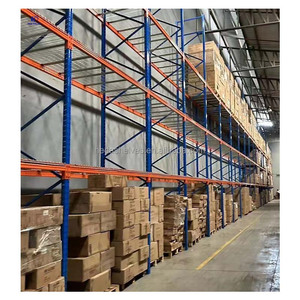
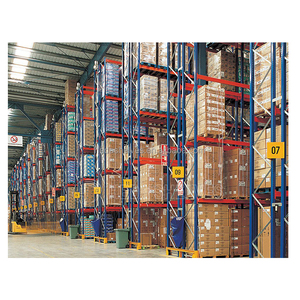
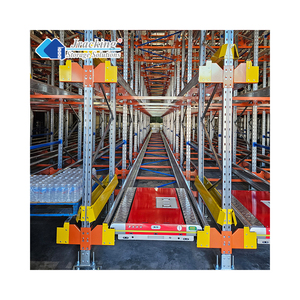
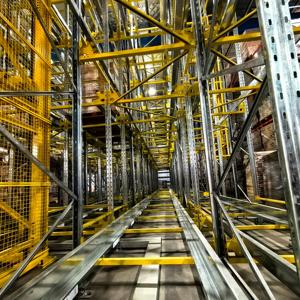
1. The Logistics Paradigm Shift in Kenya: Why High-Density Multi-Deep Racking is Essential
Kenya has firmly established itself as the commercial, logistics, and technological hub of East Africa. Driven by the expansion of the Port of Mombasa, the Standard Gauge Railway (SGR) freight corridors, and the rapid development of Inland Container Depots (ICDs) in Embakasi (Nairobi) and Naivasha, regional trade volumes have escalated dramatically. Industrial nodes such as Athi River, Syokimau, Ruiru, Tatu City, Tilisi Logistics Park, and Miritini in Mombasa are experiencing an unprecedented surge in modern logistics facility developments.
However, this industrial boom brings a critical operational challenge: rapidly escalating commercial real estate costs and warehouse lease rates. Prime industrial lease prices in Nairobi range from KES 650 to KES 900+ per square meter per month, excluding service charges and VAT. For third-party logistics (3PL) providers, Fast-Moving Consumer Goods (FMCG) distributors, cold-chain operators, and agricultural exporters, relying on traditional single-deep selective racking or ground stacking is no longer economically sustainable.
Furthermore, Kenya's unique position along the East African Rift Valley presents localized engineering requirements. Structural warehouse equipment must adhere to rigorous seismic resistance criteria, anti-corrosive powder finishes (vital for coastal environments like Mombasa), and dynamic structural load tolerances designed for varying pallet specifications—from standard Euro pallets (1200x800mm) and ISO pallets (1200x1000mm) to heavy, non-standard tea/coffee exporting crates.
Remprack Storage Solutions: Technical Authority & Manufacturing Power
20+ Years of Manufacturing Mastery, Exporting Certified Racking Systems to 85+ Global Markets
40,000 m² Advanced Manufacturing Base
Equipped with automated continuous cold-roll forming lines, robotic welding stations, and automated electrostatic powder coating lines in Nanjing, China, ensuring millimeter-precise structural tolerances.
Certified Global Quality Standards
Fully certified under CE, ISO 9001 (Quality Management), ISO 14001 (Environmental Management), and TUV Rheinland structural safety compliance protocols. Supported by a 10-year structural warranty.
Tailored OEM & ODM Engineering
Custom structural engineering adapted specifically for Kenyan seismic codes, building column grids, ambient temperature variations, and specific pallet loading requirements (up to 4,000 kg per level).
2. Technical Evaluation: Multi-Deep Storage Technologies for Kenya Warehouse Applications
Selecting the optimal pallet racking configuration requires balancing space utilization, SKU diversity, stock rotation (FIFO vs. LIFO), and capital expenditure. Below is an engineering comparison matrix designed for supply chain directors and warehouse operations managers in Kenya.
| Racking Architecture | Storage Density | Selectivity | Stock Rotation | Forklift Requirements | Ideal Kenyan Industry Sector |
|---|---|---|---|---|---|
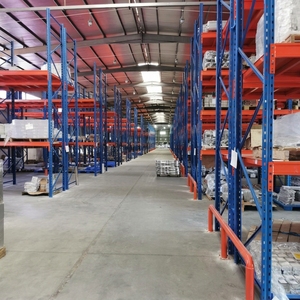
| Double-Deep Pallet Racking | High (60–65%) | 50% Immediate | FILO / LIFO | Pantograph / Deep-Reach Forklifts | FMCG Distribution, Automotive Spares (Nairobi Industrial Area) |
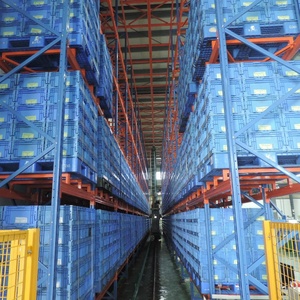
| Radio Shuttle Racking System | Ultra-High (80–85%) | By Lane / Deep Lane | FIFO or LIFO | Standard Counterbalance / Reach Truck | Cold Chain Horticulture (Naivasha, Limuru, Eldoret) |
| Drive-In / Drive-Through Racking | Very High (70–75%) | Low (Per Lane) | LIFO (Drive-In) / FIFO (Drive-Thru) | Standard Reach Truck | Beverage Bottlers, Commodity Exporters (Mombasa/Kisumu) |
| Push-Back Racking (2-6 Deep) | High (65–70%) | By Lane Level | LIFO (Cart / Gravity nested) | Standard Counterbalance Forklift | Pharmaceutical Logistics, High-Value Retail Buffers |
| Automated 4-Way Shuttle & ASRS | Maximum (85–90%+) | 100% Automated | Software Controlled (FIFO) | Automated Stacker Crane / Shuttle Bot | Mega-Distribution Centers (Tatu City, ALP North) |
Localized Industry Application Scenarios Across Kenya
Tailored Storage Architectures Built for Kenya’s Core Commercial Verticals
Horticulture & Cut-Flower Cold Chain (Naivasha, Eldoret, Limuru)
Fresh-cut flowers (roses, carnations) destined for European markets via Jomo Kenyatta International Airport (JKIA) demand continuous temperature maintenance (-1°C to +4°C). Remprack's Radio Shuttle Racking Systems eliminate unnecessary aisles inside cold rooms, dramatically reducing air volume needing cooling, which significantly decreases energy expenditure while enforcing strict FIFO rotation.
FMCG & Retail Distribution Hubs (Nairobi Gateway - Athi River / Ruiru)
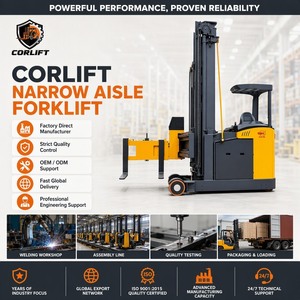
Modern supermarket chains (Carrefour, Quickmart, Naivas) and multinational FMCG brands operate massive centralized fulfillment hubs. Utilizing Double-Deep Pallet Racking combined with electric reach trucks (such as the Remprack OPD15 series) unlocks up to 50% more pallet positions while preserving the speed necessary for high-velocity order picking.
Port Forwarding & ICD Freight Terminals (Mombasa & Embakasi)
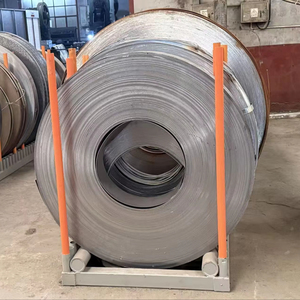
Handling bulk imported goods, heavy steel coils, raw manufacturing materials, and agricultural export inventory (tea bales, green coffee beans). Remprack’s heavy-duty Drive-In Racks and Specialized Steel Coil Cradle Systems provide the high point-load capacities required for dense cargo consolidation before SGR rail transport.
3. Emerging Market Trends in East African Supply Chain Management
The warehousing landscape in Kenya is shifting rapidly from low-ceiling, ground-stacked storage structures toward international Grade-A logistics parks. Key market trends driving the demand for Multi-Deep Pallet Racking include:
- Vertical Integration & Clear Height Utilization: Modern facilities built in Tatu City and ALP North boast clear height clearance of 12 to 14 meters. Multi-deep racking allows enterprises to store upwards of 6 to 8 pallet tiers vertically, optimizing volumetric storage efficiency without increasing floor footprint.
- Adoption of Semi-Automated Material Handling Equipment (MHE): High labor efficiency requirements are accelerating the adoption of battery-powered radio shuttles and automated guide vehicles (AGVs) inside Kenyan warehouses, reducing pallet damage caused by manual forklift handling errors.
- Strict Environmental Compliance & Safety Standards: Kenyan insurers and regulatory bodies (such as NEMA and local county building inspectors) increasingly require racking structural calculations compliant with international seismic standards (FEM 10.2.02 / BS EN 15512) to ensure structural stability during unexpected ground motion.
Frequently Asked Questions by Kenyan Procurement & Project Managers
Addressing Importation, Compliance, Engineering, and Installation Logistics
Transform Your Kenyan Warehouse Infrastructure Today
Consult with our senior logistics storage engineers for a customized 2D/3D spatial design proposal, static load calculations, and competitive direct-factory pricing.
Get Catalog