The Modern Automated Storage and Retrieval System (ASRS): Structural Architectural Blueprint
As global supply chains shift toward autonomous 24/7 operations, an Automated Storage and Retrieval System (ASRS) serves as the structural backbone of modern smart logistics. At Remprack Storage Solutions Co., Ltd., we combine structural steel precision engineering with intelligent mechanical integration to eliminate operational bottlenecks, reduce labor costs, and achieve up to 400% higher storage density compared to manual static racking.
Selecting the correct Automated Storage and Retrieval System (ASRS) requires a deep understanding of structural load dynamics, floor flatness tolerances, motor acceleration forces, and software control protocols. Unlike standard pallet racks where forklifts absorb placement variances, an ASRS relies on robotic stacker cranes, 4-way shuttles, or AGVs/AMRs executing picking routines at speeds up to 240 m/min. Even a millimeter deflection in racking profiles can trigger safety sensor trips or mechanical interference. Remprack Storage Solutions Co., Ltd. resolves these operational challenges through ultra-precise cold-roll forming, robotic welding, and Finite Element Analysis (FEA) testing designed in accordance with FEM 9.831 and EN 15620 standards.
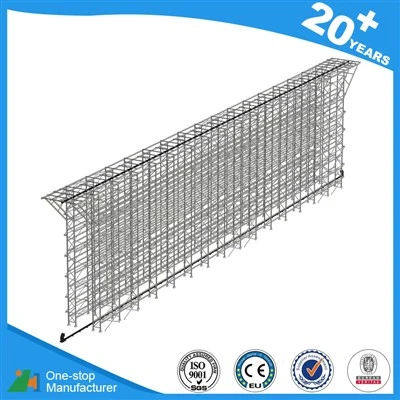
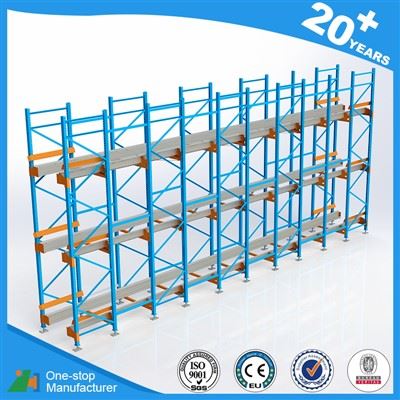
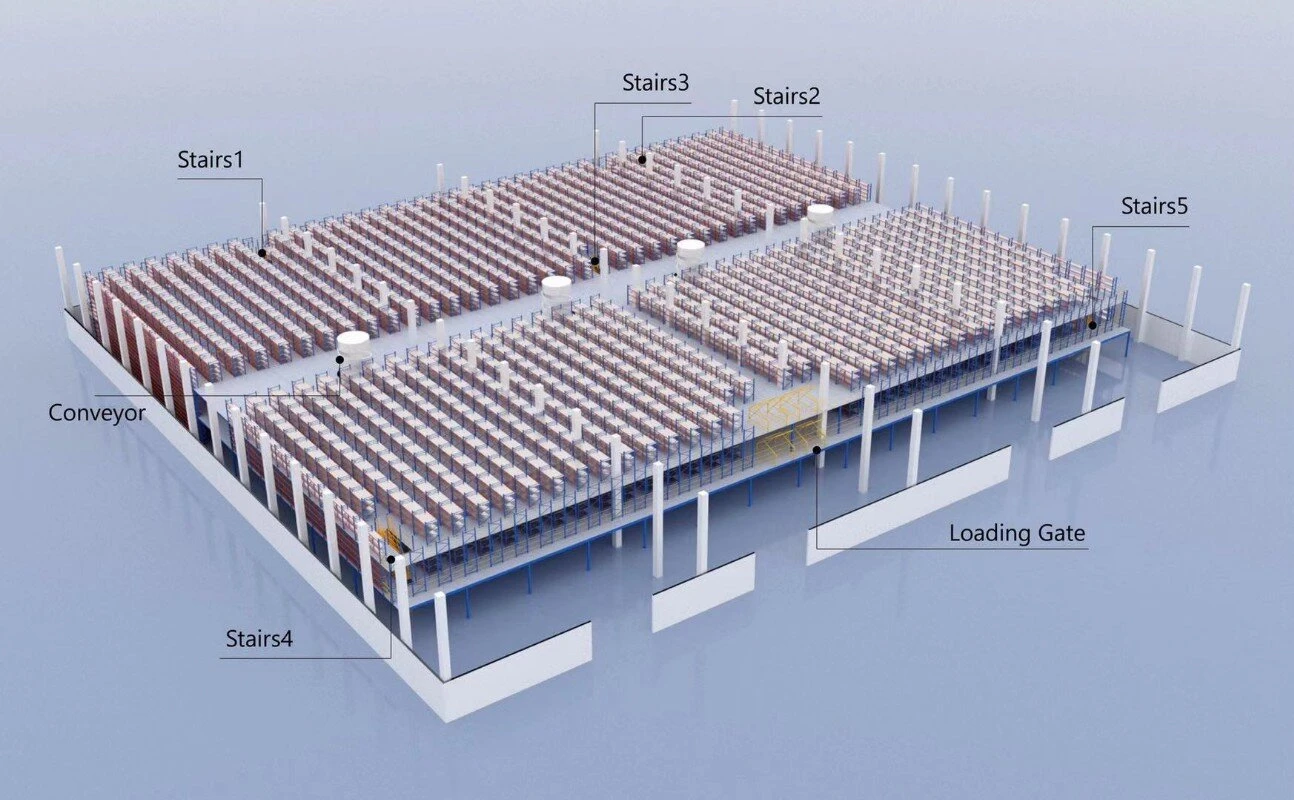
ASRS Architecture
Four Core Automated Storage and Retrieval System (ASRS) Configurations
Explore our optimized automated warehouse configurations tailored to your specific throughput, load characteristics, and footprint constraints.
1. Unit-Load Stacker Crane ASRS
Designed for heavy pallet loads up to 3,000 kg and building heights reaching 40+ meters. High-speed stacker cranes travel along single aisles operating on top and bottom guide rails with millimeter positioning precision. Ideal for high-bay manufacturing distribution facilities requiring maximum vertical cubing.
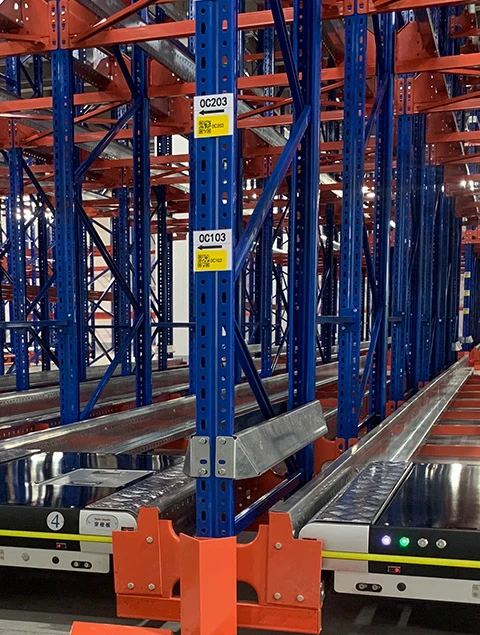
An intelligent matrix-based ASRS where autonomous 4-way shuttles travel longitudinally and laterally across dedicated rack channels. Connected via vertical reciprocated lifters, this system offers complete fleet redundancy, dynamic aisle switching, and unmatched performance in deep-lane cold storage (-30°C).
High-speed automated handling for totes, cartons, and small parts trays. Mini-load cranes or multi-tier shuttles achieve cycle speeds up to 300 dual-cycles per hour, enabling rapid Goods-to-Person (G2P) picking for e-commerce, pharmaceutical fulfillment, and electronics assembly operations.
Future Procurement Trends in Automated Storage and Retrieval Systems (2026–2030)
Global logistics managers and warehouse integrators face shifting economic demands. Here is how modern ASRS procurement strategies are evolving to meet future challenges.
1. Software-Agnostic Modular Hardware Integration
Procurement teams are moving away from proprietary, single-vendor lock-ins. Modern ASRS racking systems must offer open API interfaces connecting steel structures and shuttles directly to third-party WMS (Warehouse Management System) and WCS (Warehouse Control System) platforms. Remprack engineers structural racks that integrate seamlessly with any international software standard.
2. Growth of Clad-Rack (Rack-Supported) Buildings
Rather than constructing a traditional concrete facility and inserting racks inside, buyers increasingly procure Clad-Rack ASRS buildings. The high-bay structural racking itself supports the exterior wall cladding and roof, drastically reducing construction permits, steel usage, and tax depreciation schedules by up to 30%.
3. Energy-Efficient Cold Storage Automation
With surging electricity costs, automated cold-storage facilities are transitioning to high-density 4-way shuttle ASRS. Compacting storage volume cuts thermal loss by over 40%, while autonomous shuttles operate flawlessly in lights-out sub-zero environments without human heat emission or forklift exhaust.
Technology Comparison
Evolution & Comparative Analysis of Warehouse Storage Technologies
Compare how an Automated Storage and Retrieval System (ASRS) compares against conventional storage methodologies across critical operational metrics.
Why Leading Global Integrators Partner with Remprack
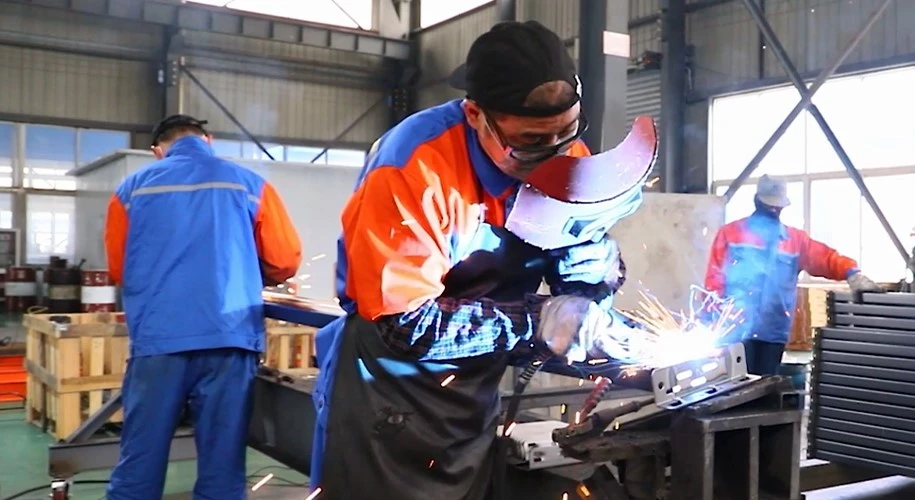
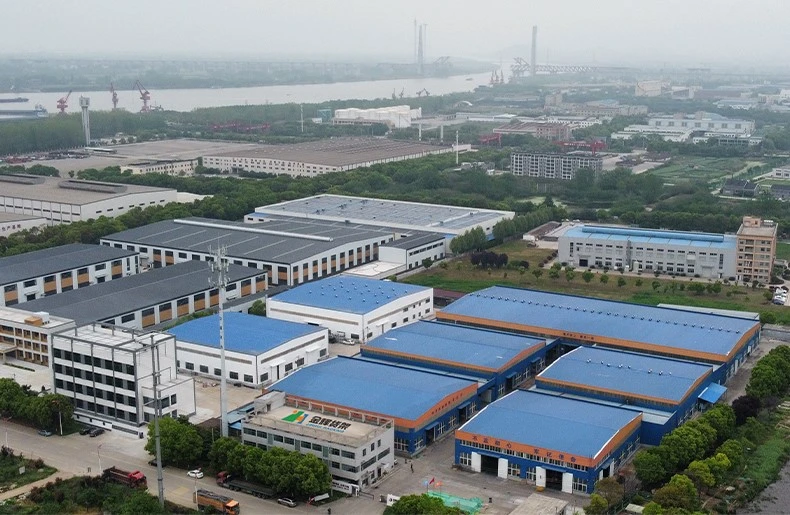
Founded in 2006 in Nanjing, China, Remprack Storage Solutions Co., Ltd. operates a state-of-the-art 40,000 m² manufacturing facility equipped with continuous automated roll-forming lines, 3D laser cutters, and robotic welding stations dedicated to Automated Storage and Retrieval System (ASRS) structural components.
Over the past two decades, our engineering team of 300+ professionals has delivered more than 2,000 successful projects across 85+ countries. We maintain strict compliance with European (FEM / EN) and American (RMI) standards, delivering turnkey reliability for EPC contractors, logistics integrators, and Fortune 500 enterprise buyers.
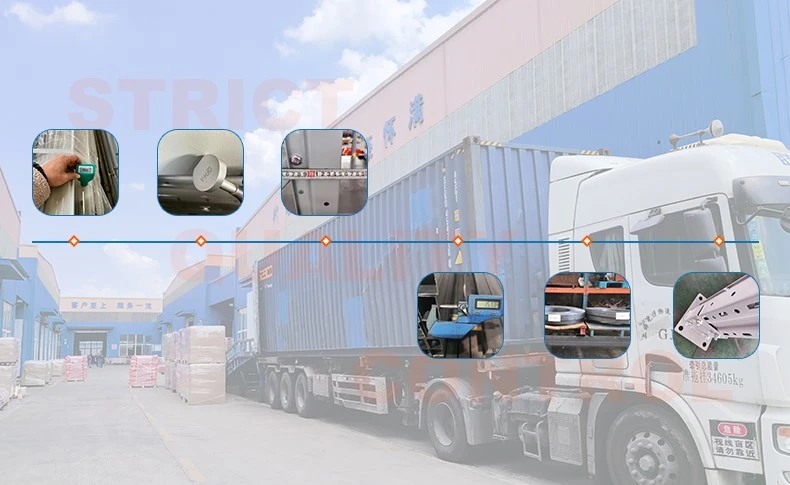
High-precision structural profile tolerances (EN 15620)
An Automated Storage and Retrieval System (ASRS) requires meticulous planning from initial site measurement to final site commissioning. Here is how Remprack guarantees error-free execution.
Our structural engineers analyze floor slab load capacity, building thermal movement, seismic acceleration coefficients, and crane acceleration torque to deliver customized structural proposals that meet your exact throughput KPIs.
Empowering Global Automation with Factory-Direct Manufacturing
Backed by decades of R&D investment and world-class production infrastructure in Nanjing, China.
0+
Patented Racking Innovations
0+
Dedicated Employees
0+
Global Delivered Projects
0m²
Modern Production Facility
Frequently Asked Questions on Automated Storage and Retrieval Systems (ASRS)
What structural tolerances and floor flatness standards are required for an Automated Storage and Retrieval System ASRS?
An Automated Storage and Retrieval System ASRS demands millimetric precision. Structural steel tolerances must strictly follow FEM 9.831 and EN 15620 standards (Class 100 or Class 200). Upright plumbness usually requires a deviation ratio better than 1/1000 of the total height. Concrete slab flatness must conform to Superflat specifications (e.g., VNA / DIN 18202 Table 3 Line 4) to ensure smooth stacker crane and shuttle navigation, avoiding sensor misalignments during high-speed operations.
How does Remprack ensure seamless structural integration with third-party WMS/WCS automation software?
Remprack Storage Solutions Co., Ltd. manufactures ASRS structural racking using high-precision CNC punching, continuous cold-roll forming, and robotic laser welding. We collaborate directly with global system integrators. Our structural geometry accommodates laser positioning reflective targets, rack-mounted busbar power rails, photo-electric sensor brackets, and safety interlocks, allowing seamless physical and electronic integration with any WCS (Warehouse Control System) and WMS (Warehouse Management System).
What is the typical ROI payback timeline for a B2B procurement of a 4-Way Shuttle ASRS?
For enterprise warehouses operating 2 to 3 shifts daily, a 4-Way Shuttle ASRS typically yields a full return on investment (ROI) within 24 to 36 months. Financial gains are achieved by increasing volumetric storage density by 60% to 110%, reducing forklift operator labor costs by up to 70%, eliminating product damage, and cutting energy consumption in climate-controlled or cold-storage environments by over 40%.
Can Remprack design Rack-Supported Buildings (Clad-Rack ASRS) for high seismic zones?
Yes. Remprack engineers custom Clad-Rack ASRS structures where the racking framework itself supports the building walls and roof cladding, eliminating the need for a traditional concrete building envelope. Our structural engineering team performs rigorous Finite Element Analysis (FEA) to ensure compliance with global seismic codes (such as ASCE 7, Eurocode 8, and RMI standards), withstanding extreme wind loads and high-magnitude seismic events.
How does a 4-Way Pallet Shuttle ASRS compare to a traditional Stacker Crane ASRS in cold storage?
In cold storage environments (-25°C to -30°C), a 4-Way Shuttle ASRS offers superior flexibility and lower initial capital expenditure compared to stacker cranes. Shuttles can move dynamically across matrix levels via vertical lifts, offering high redundancy (if one shuttle undergoes maintenance, others absorb the throughput). Stacker cranes offer faster single-lane vertical speeds up to 40 meters, but require higher structural headroom and fixed-aisle investment. Remprack provides cold-treated structural steel and low-temperature galvanizing for both configurations.
What certifications and structural verification test reports does Remprack provide for import compliance?
Remprack Storage Solutions Co., Ltd. provides full metallurgical and structural certification for international customs and safety compliance, including CE certification, ISO 9001 quality system compliance, ISO 14001 environmental management, and independent TUV load test certificates. Detailed mill test certificates (MTC) for steel grade Q235B/Q355B and 3D FEA load verification documents are included with every project dossier.
Trusted by Leading System Integrators & Global Brands
Delivering automated storage infrastructure across 85+ countries
Transform Your Warehouse with Remprack ASRS
Contact our senior automation specialists today to receive a complete structural design, FEA simulation report, and competitive factory-direct quote.