85+ CountriesGlobal enterprise installation record
CE & TUV CertifiedStrict ISO 9001 compliance standards
10-Year WarrantyHeavy-duty structural guarantee
Product Overview & Technical Specifications
Unlocking High-Density Efficiency with a Gravity Pallet Flow Racking System
In modern industrial logistics and fast-moving consumer goods (FMCG) distribution, optimizing warehouse volume while guaranteeing absolute stock rotation is a critical operational challenge. A Gravity Pallet Flow Racking System (also known as gravity flow racking, dynamic pallet flow rack, or FIFO roller racking) provides the definitive solution. By leveraging standard earth gravity and dynamic roller track engineering, this system transforms traditional static aisles into high-density continuous storage channels.
How Gravity Pallet Flow Works: The Mechanics of FIFO Efficiency
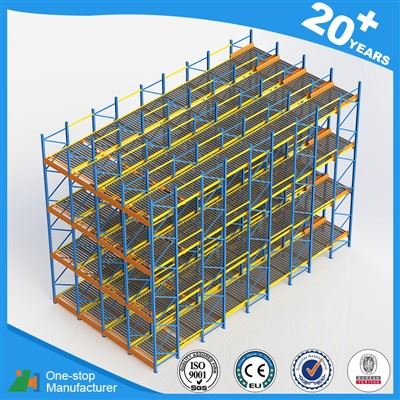
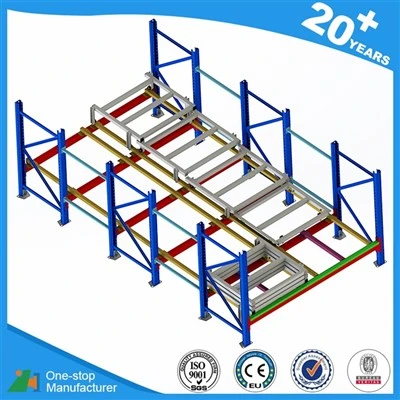
A Gravity Pallet Flow Racking System operates on a inclined wheel or roller lane (typically set at a pitch gradient of 3% to 5%). Pallets are loaded from the high entry aisle (loading face) and glide smoothly under their own weight toward the lower exit aisle (picking face). When the front pallet at the picking face is unloaded by a forklift, the trailing pallets automatically move forward into the next position.
This structural arrangement enforces absolute First-In, First-Out (FIFO) stock rotation. Loading and unloading take place in dedicated, segregated aisles, which drastically reduces forklift travel distance, minimizes internal collision risks, and eliminates bottlenecking in busy distribution centers.
Dedicated Load/Unload Aisles: 100% separation of forklift activity.
Automatic Speed Control: Magnetic or centrifugal brake rollers regulate velocity.
Pallet Separator Mechanism: Releases line pressure on the front pallet for safe picking.
Floor Space Savings: Eliminates internal aisles, saving up to 60% floor area.
Without speed control, heavy pallets accelerating down a long incline can cause catastrophic collisions. Remprack integrates precision centrifugal or indirect magnetic brake rollers every 1 to 1.5 pallet positions. These components keep pallet travel speed at a controlled velocity of 0.2 m/s to 0.3 m/s, regardless of weight variations (from 300 kg up to 1,500 kg).
Pallet Separator Systems
Line pressure accumulates when multiple heavy pallets rest against each other. Our mechanical pallet separators temporarily hold back trailing pallets approximately 6 inches away from the lead pallet at the picking face. This allows forklift drivers to lift the front pallet cleanly without drag friction or crushing forces.
Full-Width Rollers vs. Skate-Wheel Tracks
Remprack engineers customize the dynamic track according to your load profile. Full-width steel rollers with sealed precision bearings are selected for heavy industrial pallets and imperfect bottom boards. Lightweight skate-wheel tracks or twin-track plastic rollers are configured for standardized plastic pallets or specialized tote applications.
Product Selection & Recommended Models
Tailored Gravity Pallet Flow Configurations for Enterprise Warehouses
As a leading China manufacturer with over two decades of engineering expertise, Remprack Storage Solutions Co., Ltd. offers modular and fully customized Gravity Pallet Flow Racking Systems engineered for rigorous operational environments.
Heavy-Duty Deep-Lane FIFO Pallet Flow System
Designed for high-throughput FMCG, food & beverage, and cold storage applications. Built with heavy-duty structural steel uprights, heavy-wall steel rollers, and multi-stage speed controllers.
Multi-tier gravity flow picking structures integrated with conveyor belts, WMS tracking, and automated guided vehicles (AGVs). Perfect for order fulfillment and e-commerce picking hubs.
Future Procurement & Industry Trends in Gravity Pallet Flow Racking
As enterprise procurement directors and supply chain engineers evaluate warehouse investments for 2026 and beyond, market drivers are pushing industrial storage toward automation, sustainability, and dynamic space density. The Gravity Pallet Flow Racking System is positioned at the intersection of these trends.
1. Seamless Integration with AGVs, AMRs & ASRS Systems
Modern automated warehouses are replacing manual forklifts with Autonomous Mobile Robots (AMRs) and Automated Guided Vehicles (AGVs). Gravity pallet flow lanes serve as the ultimate mechanical buffer interface between automated storage cranes and AMR transport vehicles. Precision lane-end guides and optical sensors ensure AMRs insert and extract pallets with millimeter accuracy without requiring powered conveyors on the rack structure.
2. Zero-Energy Green Logistics & Carbon Neutrality
ESG compliance and rising electricity costs are pushing global logistics managers to minimize powered warehouse systems. Unlike motorized conveyor channels or fully electric shuttle systems, a Gravity Pallet Flow Racking System harnesses 100% kinetic gravity power. It requires zero electrical wiring, zero battery charging stations, and zero carbon-emitting power sources during operation, reducing operating expenses (OPEX) over a 20-year lifecycle.
3. Expansion of Cold Chain & Pharmaceutical Cold Storage
The global demand for temperature-controlled food, biological vaccines, and refrigerated produce requires maximum volumetric density inside cold storage rooms where operating costs per cubic meter are extremely high. Remprack designs cold-resistant gravity flow systems engineered with low-temperature synthetic lubricants, stainless steel precision bearings, and hot-dip galvanized profiles capable of continuous performance at temperatures as low as -30°C.
The next generation of pallet flow technology incorporates embedded sensors along flow channels. These IoT nodes monitor vibration, pallet glide speed, line pressure buildup, and temperature differentials. Procurement managers gain real-time predictive maintenance data via cloud dashboards, ensuring brake roller replacements are scheduled before mechanical bottlenecks occur.
Engineering Comparison
Gravity Pallet Flow vs. Alternative High-Density Racking Systems
Selecting the optimal racking technology requires balancing initial capital expenditure (CAPEX), long-term operational costs (OPEX), pallet selectivity, and stock rotation rules. Review our structural comparison matrix below.
Storage Technology
Stock Rotation
Volumetric Density
Forklift Travel Inside Rack
Power / Energy Requirement
Optimal Application Case
Gravity Pallet Flow Racking
Strict FIFO (100%)
Very High (80–85%)
Zero (Aisle-only loading/picking)
Zero Energy (Gravity Powered)
FMCG, Food & Beverage, Perishables, Cold Storage
Radio Shuttle Racking
FIFO or LIFO
Ultra High (85–90%)
Zero (Shuttle moves pallet)
Battery / Electrical Charging
High-volume uniform SKUs, Deep cold storage
Drive-In Racking
Strict LIFO
High (70–75%)
High (Forklift drives inside lanes)
Zero
Low SKU count, Non-perishable bulk batch goods
Push-Back Racking
Strict LIFO
Medium-High (65–70%)
Zero (Single-aisle push)
Zero
2–5 deep pallet storage with fast aisle loading
Selective Pallet Racking
100% Selectivity
Low (40–50%)
High (Aisle travel per SKU)
Zero
High SKU diversity, Low volume per SKU
* Data reflected is based on standard warehouse structural engineering layouts designed by Remprack Storage Solutions Co., Ltd.
Frequently Asked Questions (FAQ) for Global Buyers
1. How do engineers calculate the correct slope angle and brake roller spacing for a Gravity Pallet Flow Racking System?
Calculating the pitch incline is a core engineering step in designing a reliable gravity flow lane. The standard incline angle ranges between 3.5% and 4.5% (roughly 7/16" pitch per foot of lane depth), depending on pallet material, foot pattern, and total unit weight.
If the incline is too shallow, heavy pallets will stall mid-lane; if the incline is too steep, pallets acquire excessive kinetic momentum. Remprack engineers determine velocity control by installing indirect centrifugal speed controllers spaced every 1.2 to 1.5 meters. This maintains a stable pallet speed between 0.2 m/s and 0.3 m/s, preventing impacts regardless of load variations between 300 kg and 1,500 kg.
2. What types of pallets are compatible with Gravity Pallet Flow Racks, and what tolerances are required?
Gravity pallet flow systems perform best with high-quality wooden pallets (such as EURO pallets 800x1200mm, GMA 48x40 inch pallets, or ISO standard pallets) and full-perimeter plastic or steel pallets.
To ensure smooth gliding without derailment, bottom runner boards should be continuous and free from missing bottom slats, broken boards, or protruding nails. For plastic pallets or corrugated bottom designs, Remprack provides full-width steel roller tracks or specialized multi-track roller channels engineered to distribute point loads evenly.
3. How does the pallet separator mechanism work, and why is it critical for warehouse safety?
In deep flow lanes (e.g., 6 to 20 pallets deep), the cumulative hydrostatic line pressure exerted by trailing pallets against the front discharge pallet can exceed several tons. This pressure makes it extremely difficult for a forklift driver to lift the lead pallet safely and can cause severe damage to the rack structure or product packaging.
Remprack integrates an automatic mechanical pallet separator positioned directly behind the front pallet position. As a pallet reaches the discharge face, the separator trips and locks trailing pallets 6 inches behind it. Once the forklift removes the front pallet, the separator automatically resets, allowing the next pallet to slide forward into position safely.
4. What are the Total Cost of Ownership (TCO) differences between Gravity Pallet Flow and Radio Shuttle Racking?
While both systems offer high storage density, their financial and operational profiles differ significantly:
Gravity Pallet Flow: Higher initial mechanical component cost (due to steel rollers, brake units, and separator assemblies), but zero ongoing energy cost, zero battery replacements, zero electronic control unit failures, and virtually zero maintenance overhead. It enforces strict, automatic FIFO rotation across 100% of lanes.
Radio Shuttle Racking: Lower initial steel roller cost per lane, but requires ongoing expenditure on lithium battery replacements, shuttle car maintenance, sensor calibrations, and potential downtime if a shuttle unit fails inside a deep storage channel.
5. Can a Remprack Gravity Pallet Flow Racking System operate reliably in cold room freezers at -30°C?
Yes. Remprack manufactures specialized cold-chain gravity flow racking engineered specifically for sub-zero freezer environments (-25°C to -30°C). We use cold-grade synthetic bearing grease, low-temperature resistant polymer speed controller components, and hot-dip galvanized steel frames to prevent rust and condensation corrosion.
6. What maintenance routines are recommended to ensure a 20-year structural service life?
Remprack gravity flow lanes are designed for low maintenance. We recommend semi-annual inspections consisting of: (1) Visual checks of roller tracks to remove wood splinters or debris; (2) Testing the recoil action of mechanical pallet separators; (3) Inspecting speed controller brake surfaces for wear; and (4) Verifying upright frame anchor torque settings according to ISO standards.
Why Partner with Remprack
China's Premier Warehouse Racking Manufacturer & Global OEM Authority
Founded in 2006 in Nanjing, China, Remprack Storage Solutions Co., Ltd. has grown into a world-class manufacturing powerhouse specializing in engineered industrial racking systems.
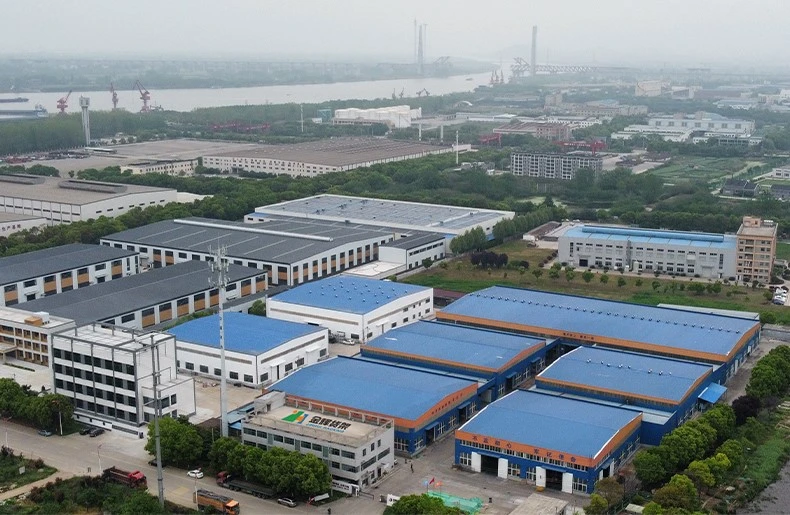
40,000 m² Advanced Production Base
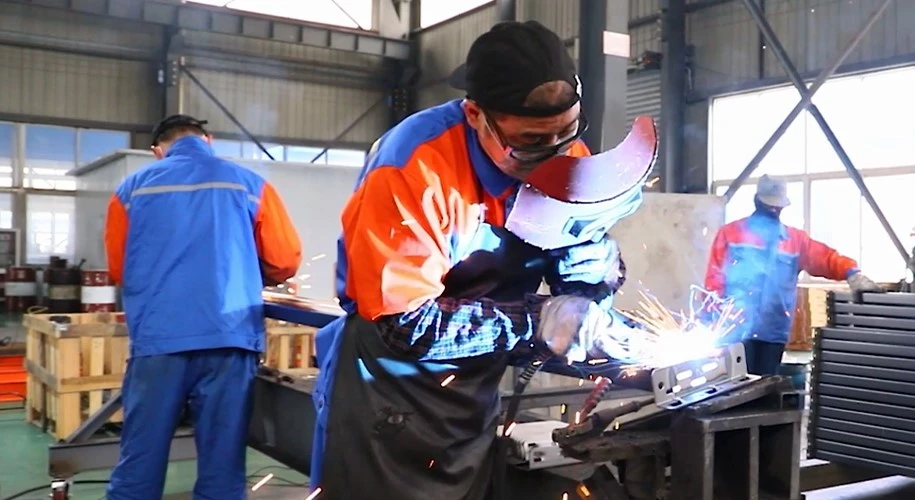
Equipped with continuous automated cold-roll forming lines, robotic welding workstations, and dual-line automated electrostatic powder coating lines for high volume output.
Rigorous International Certification (E-E-A-T)
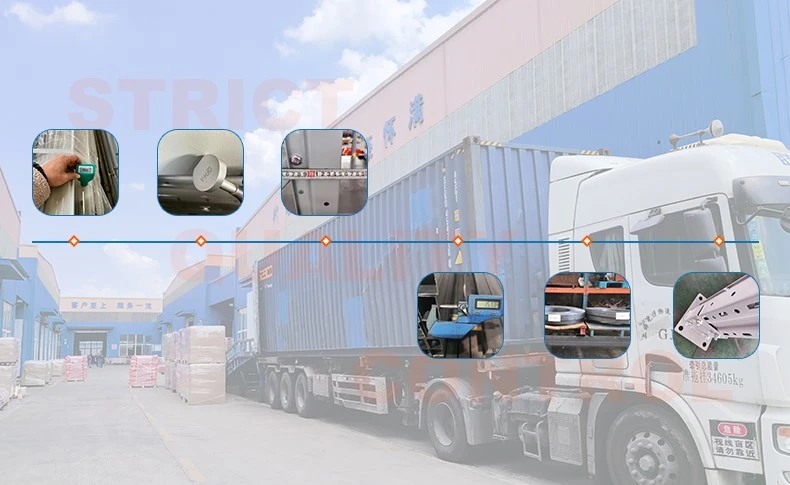
Certified to CE, ISO 9001 quality management, ISO 14001 environmental management, and TUV structural safety standards. Every rack component undergoes strict tensile and beam loading testing.
Proven Global Export Track Record
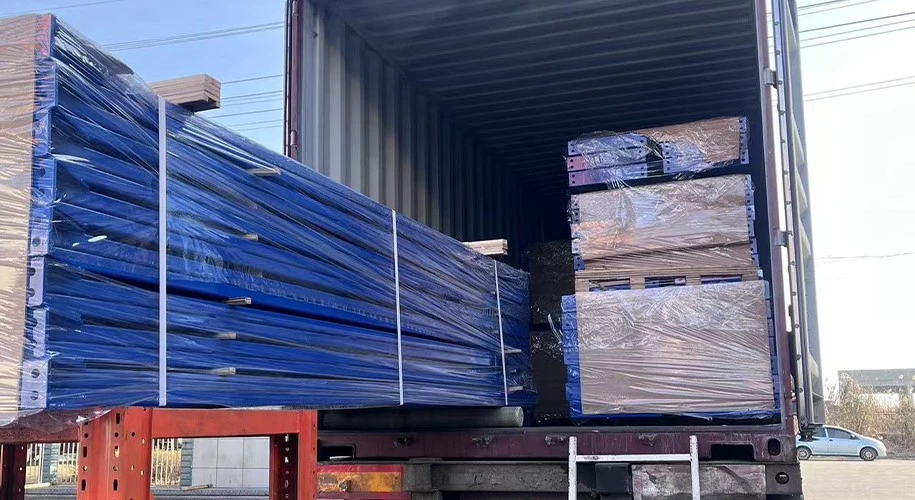
Over 2,000 completed major logistics projects delivered across 85+ countries in North America, Europe, the Middle East, Southeast Asia, and Latin America with full OEM/ODM support.
From initial warehouse layout analysis to final installation guidance, Remprack provides complete end-to-end technical leadership to guarantee project success.
Our structural engineers analyze your pallet dimensions, weight profiles, forklift mast specifications, and floor concrete load ratings to design an optimal dynamic storage system built to last decades.