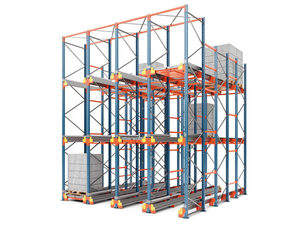
Featured Product Range
High-Density Warehouse Racking & Automated Systems
Explore our export-tested pallet racking, multi-tier platforms, and smart shuttle solutions optimized for industrial deployment across Mexico and North America.
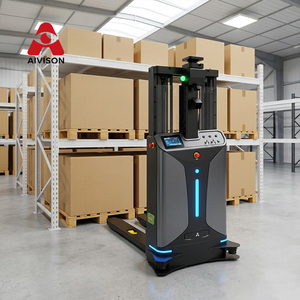
Hot Selling 1400kg Intelligent Fork AGV/AMR Automatic Forklift Pallet Handling Robot For Warehouse Automation
Send an Inquiry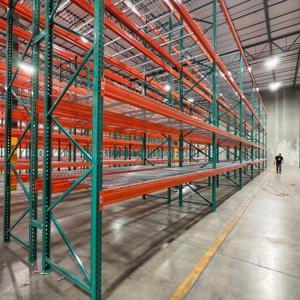
Jracking US Inventory Warehouse Stacking Shelves Racks Heavy Duty Teardrop Pallet Racking System for Logistics Hub
Send an Inquiry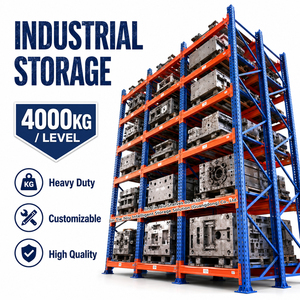
4000KG Heavy Duty Warehouse Rack Pallet Storage System Adjustable Beam Racking
Send an Inquiry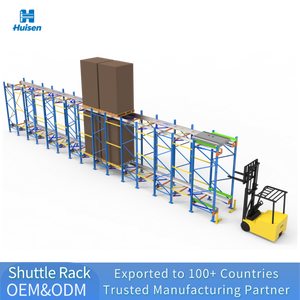
Shuttle Racking System High Density Pallet Storage Automated Warehouse Deep Lane Rack Custom Manufacturer Factory Direct
Send an Inquiry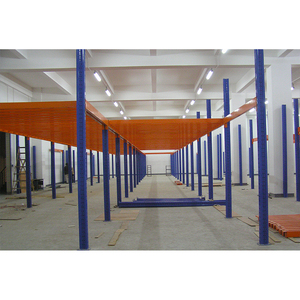
Boltless 5 Layer Adjustable Heavy Duty Pallet Rack Q235 Steel Easy Assembly Warehouse Storage Racking System
Send an Inquiry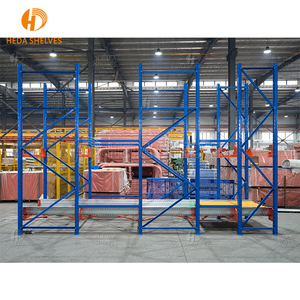
Warehouse Semi-autometic Racking System 4 Ways Direction Shuttle Car Remote Control Radio Shuttle Racking
Send an Inquiry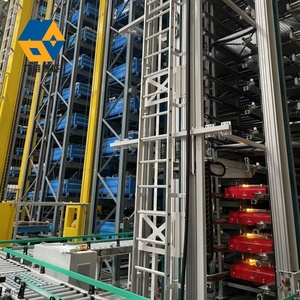
NOVA ASRS 4way High Speed Automated Warehouse Storage Multi-level Radio Pallet Shuttle Rack for Warehouse
Send an Inquiry
Industry Whitepaper & Technical Analysis
Engineering Structural Excellence: Pallet Rack Supported Mezzanines in Mexico's Industrial Era
An authoritative guide to optimizing vertical facility cubic volume, ensuring seismic compliance under CFTA/NTC standards, and meeting USMCA/T-MEC nearshoring storage throughput requirements.
Executive Summary: The Nearshoring Shift & Storage Real Estate Imperative
The rapid acceleration of nearshoring in Mexico—driven by the realignment of global supply chains under the United States-Mexico-Canada Agreement (USMCA / T-MEC)—has created unprecedented demand for industrial real estate. Key logistics corridors such as Monterrey (Nuevo León), Saltillo (Coahuila), Querétaro, San Luis Potosí, Guadalajara (Jalisco), and the Greater Mexico City Metropolitan Area (CDMX & Estado de México) are experiencing historical lows in industrial vacancy rates, accompanied by sharp increases in lease costs per square meter.
For warehouse operations directors, plant managers, and logistics integrators, expanding footprint horizontally is frequently cost-prohibitive or physically constrained. CE Certified Pallet Rack Supported Mezzanine Systems represent the definitive structural engineering solution. By converting vacant vertical air space into fully functional multi-tier storage, order-picking walkways, and heavy-duty structural platforms, companies can double or triple usable floor surface without expanding the building envelope.
Key Takeaway for Mexican Procurement Officers:
Unlike traditional structural steel mezzanines that require dedicated structural columns, massive footings, and high capital expenditure, a Pallet-Rack Supported Mezzanine utilizes heavy-duty racking frames (Q235B/Q355B cold-rolled steel) as the primary load-bearing matrix. This dual-purpose design provides integrated high-density pallet racking below while supporting a continuous decking platform above for manual picking, kitting, or office space.
1. Structural Anatomy & Engineering Standards (CE, FEM & ANSI-RMI)
To ensure structural integrity and operational safety, Remprack engineers every pallet-rack supported mezzanine in strict compliance with European CE standards (EN 15512 for steel static storage systems, EN 1090-1 for structural components) alongside international ANSI/RMI MH16.1 specifications. Each component is subject to strict finite element analysis (FEA) to withstand static structural dead loads, live inventory loads, dynamic forklift impacts, and seismic excitations.
Heavy-Duty Upright Profiles
Cold-formed from high-tensile structural steel (up to Q355B grade), featuring continuous omega-section punch patterns. Columns are precision-engineered with base plates anchored directly into reinforced concrete slabs using chemical or expansion anchors engineered for specific soil shear capacities.
Interlocking Beam Matrix
Heavy-duty box beams and step beams with multi-claw connectors engage tightly into upright columns. Safety locks prevent accidental dislodgement during vigorous material handling and pallet placement.
Engineered Decking Options
Customizable floor surfaces tailored to operational requirements: electro-galvanized steel mesh grating (high fire/sprinkler permeability), chequered steel tear-plates (heavy cart traffic), or high-density particle board over B-deck structural steel profile.
2. Technical & ROI Comparison Matrix
When assessing warehouse space optimization options in Mexico, facility managers must evaluate structural performance, capital expenditure, installation timelines, and operational flexibility. The table below outlines how Pallet-Rack Supported Mezzanines compare against conventional storage expansion methods:
| Evaluation Vector | Pallet-Rack Supported Mezzanine | Structural I-Beam Mezzanine | Horizontal Building Expansion |
|---|---|---|---|
| CapEx Cost per m² | Optimized (Lowest) | Moderate to High | Extremely High (Land + Civil Works) |
| Storage Functionality | Dual-Purpose (Pallet Storage + Platform) | Floor Space Only (Racks Added Separately) | Standard Warehouse Ground Floor |
| Civil Foundation Requirement | Standard Concrete Slab (150-200mm) | Heavy Concrete Footings Often Required | Full Foundation & Civil Construction |
| Installation Lead Time | Fast (Modular Prefabricated Components) | Moderate (On-Site Welding/Cutting) | 6 to 18 Months |
| Disassembly & Relocation | 100% Reconfigurable & Relocatable | Difficult (Welded Connections) | Non-Relocatable (Fixed Asset) |
| CE & Seismic Compliance | Pre-Engineered to EN 15512 & CFTA | Requires Custom Site Engineering | Full Permitting & Architectural Project |
3. Localized Application Scenarios Across Mexico’s Key Industrial Zones
Mexico's diverse industrial ecosystem presents unique operational challenges and storage demands depending on geographic location and manufacturing focus. Remprack custom-engineers rack-supported mezzanines engineered for specific regional workflows:
A. Northern Automotive & Electronics Hubs (Monterrey, Saltillo, Juarez, Tijuana)
In Northern Mexico's IMMEX export-oriented manufacturing plants, pallet-rack supported mezzanines are widely used to create sub-assembly platforms directly above bulk component storage lanes. Heavy auto parts, stampings, and wire harnesses are stored on standard pallet racks on the ground level, while the upper mezzanine level serves as a dust-free electronics testing or kitting station with direct gravity chute feeds to assembly lines.
B. Central Bajío Industrial Logistics (Querétaro, Guanajuato, San Luis Potosí)
The Bajío region is Mexico's premier aerospace, consumer goods, and logistics corridor. Facilities operating high-SKU inventory use multi-tier rack supported platforms to handle split-case picking. Integrated handrails, pallet drop gates, and conveyor integration allow operators to achieve continuous FIFO (First-In, First-Out) picking throughput with zero floor congestion.
C. Central Mexico E-Commerce & Retail Corridors (CDMX, Estado de México, Toluca, Tepotzotlán)
Given the high land scarcity in the Valley of Mexico, e-commerce giants and 3PL fulfillment providers utilize multi-story rack supported mezzanine systems (up to 3 structural tiers) reaching heights of 10 to 14 meters. These platforms incorporate catwalks with steel grating deck, safety mesh enclosures, and integrated vertical freight lifts (VRCs) to manage millions of small-parcel retail SKUs.
4. Critical Engineering Consideration: Seismic Zone Adaptation in Mexico
One of the most critical aspects of installing heavy industrial storage structures in Mexico is seismic resilience. Mexico spans several active seismic regions defined by the Federal Electricity Commission (CFE) seismic code and regional standards such as the Mexico City Building Code (NTC-RCDF).
Seismic Zone 1 & 2 (Northern & Central Plains)
Moderate seismic force considerations. Standard baseplates with dual anchors and structural cross-bracing maintain rigid dynamic stability against operational forklift impacts and minor tectonic tremors.
Seismic Zone 3 (CDMX & Pacific Coast - Jalisco, Michoacán, Guerrero)
High dynamic amplification zones. Structures require enlarged seismic baseplates, heavy anchor bolts (chemical epoxy studs), heavy-duty diagonal back-bracing, and stiffened top tie-beams to absorb high peak ground acceleration (PGA).
CFTA & EN 15512 Load Calculation Verification
Remprack's engineering department uses advanced 3D structural simulation software to model beam deflection, joint shear stress, and horizontal seismic drift, ensuring full approval by local Mexican structural DRO (Director Responsable de Obra) auditors.
5. Key Trends Shaping Warehouse Storage Procurement in Mexico
- Nearshoring Supply Chain Acceleration: Foreign direct investment (FDI) into Mexican manufacturing requires rapid turn-key warehouse setup. Modular, boltless rack-supported mezzanines allow fast deployment in weeks rather than months.
- Adoption of IMMEX Tariff Benefits: Companies operating under Mexico’s IMMEX framework require temporary import compliance and clear equipment traceability. Remprack provides full technical data sheets, structural calculations, and HS code documentation for frictionless customs clearance.
- Integration with Automation (AGVs & Shuttles): Modern Mexican facilities are combining rack-supported mezzanines with automated shuttle systems and autonomous mobile robots (AMRs) to achieve 24/7 continuous operation with reduced labor overhead.
- Strict Workplace Safety Compliance (NOM-006-STPS): Mexican safety regulations govern material handling and storage safety. Our mezzanines incorporate standardized toe-boards (kick-plates), heavy-duty guardrails, self-closing safety gates, and anti-slip stair treads compliant with international OSHA and NOM standards.
6. Remprack Manufacturing Capabilities & Global Enterprise Strength
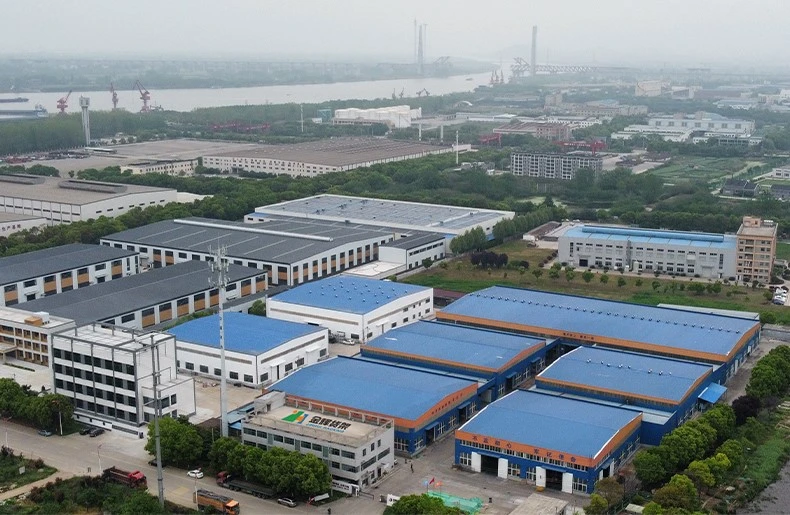
Remprack Storage Solutions Co., Ltd. (founded in 2006) stands as a premier global manufacturer of advanced industrial racking systems. Headquartered in Nanjing, China, our company operates a state-of-the-art 40,000 m² intelligent production facility equipped with automated continuous roll-forming lines, robotic welding cells, and an automated electrostatic powder coating plant.
Enterprise Highlights:
- 20+ Years Expertise: Dedicated focus on structural racking, mezzanine platforms, and automated warehouse systems since 2006.
- Global Supply Footprint: Over 2,000 major projects successfully delivered across 85+ countries, including extensive installations across Latin America and North America.
- Full Certification Portfolio: Fully certified to CE, ISO 9001, ISO 14001, and TUV Rheinland standards, ensuring full material batch traceability and structural safety.
- 10-Year Product Warranty: All structural uprights, beams, and platform decking components are backed by a comprehensive 10-year manufacturer warranty.
- OEM & ODM Capabilities: Custom column profiles, bespoke paint colors (RAL system), and tailored layout engineering for international integrators and distributors.
7. Frequently Asked Questions (FAQ) for Mexican Procurement & Project Directors
How does a Pallet Rack Supported Mezzanine compare in cost to building a concrete mezzanine or expanding a facility in Mexico?
A Pallet Rack Supported Mezzanine typically costs 40% to 60% less per square meter than a traditional structural steel or civil concrete mezzanine. Because the upright frames double as floor-support columns and pallet storage racks, you eliminate redundant structural steel. Furthermore, installation is fast and clean with no on-site welding required, saving significant labor expenses and minimizing operational downtime.
Can Remprack design mezzanines specifically to comply with Mexico's seismic codes (such as CFE and NTC-RCDF)?
Yes. Our structural engineering team calculates seismic loads based on your facility's exact geographic coordinates in Mexico (Zone 1, 2, or 3). We adjust steel column thickness, baseplate surface area, anchor bolt specifications, and dynamic diagonal bracing systems to satisfy local Mexican DRO (Director Responsable de Obra) structural reviews and municipal permit requirements.
What documents and import support do you provide for Mexican customs clearance (Pedimento / IMMEX)?
We provide full export documentation required by Mexican customs agents (Agentes Aduanales), including Commercial Invoices, Packing Lists detailing steel net/gross weights, Certificates of Origin (for USMCA/T-MEC tariff evaluation where applicable), Mill Test Certificates (MTC), CE Compliance Certificates, and detailed assembly layout drawings. We frequently ship to major Mexican ports including Manzanillo, Altamira, Veracruz, or via overland border crossings at Laredo/Nuevo Laredo.
What decking option is best for cart traffic vs. sprinkler permeability in Mexican warehouses?
For high cart traffic and manual picking, chequered steel plates (Placa Lagrimada) or high-density particle board over corrugated steel B-decking provide a smooth, durable rolling surface. If your facility requires high overhead fire sprinkler water penetration to satisfy insurance standards (FM Global / NFPA), heavy-duty steel wire mesh grating or perforated steel floor planks are recommended.
What is the standard load capacity of a Remprack pallet-rack supported mezzanine floor?
Standard platform live load capacities range from 300 kg/m² to 1,500 kg/m² (60 to 300 lbs/sq.ft), depending on your operational needs. Pallet storage levels underneath the platform can support up to 4,000 kg per beam level. All systems are custom-calculated based on your specific pallet weights and equipment loads.
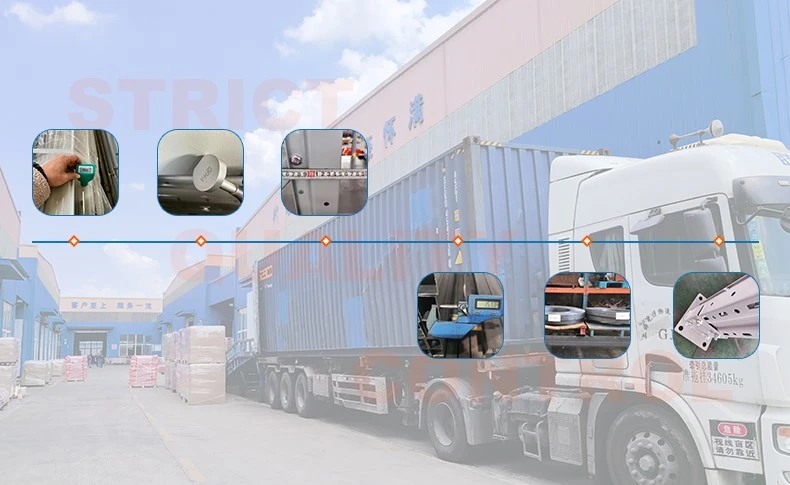
How long does production and shipping take from your factory to Mexico?
Manufacturing lead time at our 40,000 m² base is typically 15 to 25 days depending on project size. Ocean transit to Pacific ports like Manzanillo takes approximately 18 to 22 days, while Gulf ports like Altamira take roughly 25 to 30 days. We also offer streamlined container loading diagrams to maximize container volume usage and reduce ocean freight costs.