1. The Strategic Imperative of High-Integrity Standard Pallet Racking Systems
In modern supply chain management and industrial logistics, selecting a qualified standard pallet racking factory and exporter transcends mere hardware procurement. It represents a fundamental structural investment that directly impacts operational safety, floor space efficiency, inventory throughput, and long-term capital efficiency. As global logistics hubs scale upwards to maximize vertical clearance, the mechanical integrity of cold-rolled structural steel, structural deflection tolerances, and precision engineering compliance have become top priorities for logistics directors and structural engineers.
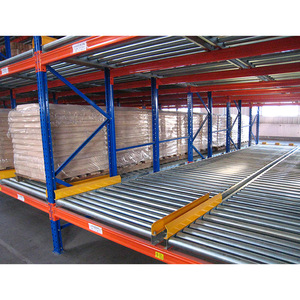
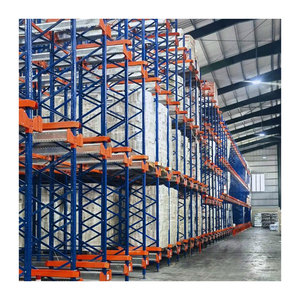
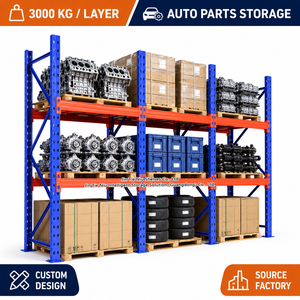
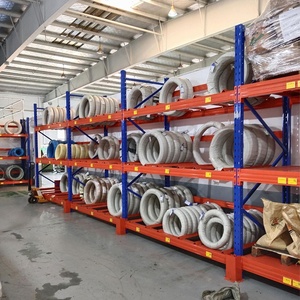
Standard pallet racking systems—ranging from classic selective racking configurations to advanced high-density drive-in, push-back, pallet flow, and radio shuttle infrastructure—serve as the physical backbone of global supply networks. Sourcing from certified Chinese OEMs equipped with automated continuous cold-roll forming lines, robotic welding stations, and electrostatic powder coating plants allows international procurement managers to balance strict compliance (CE, ISO 9001, ISO 14001, TUV) with optimal cost-efficiency.
Information Gain Insights: Structural steel selection is non-negotiable. Leading tier-1 China manufacturers utilize premium Q235B and Q355B high-tensile cold-rolled steel grades. Beam connection designs incorporating multi-claw safety locking pins reduce beam dislodgement risks by over 99.8% under dynamic forklift impact conditions compared to uncertified generic shelving alternatives.
2. Structural Engineering & Technical Comparison Matrix
To assist procurement teams and supply chain architects in evaluating the appropriate storage architecture, the engineering table below outlines the core performance parameters across standardized industrial pallet racking configurations:
| Racking System Type | Volumetric Storage Density | Pallet Selectivity | Inventory Rotation | Max Load Capacity / Bay | Ideal Application Sector |
|---|---|---|---|---|---|
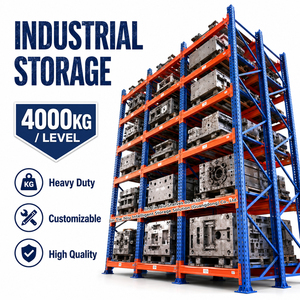
| Selective Pallet Racking | Baseline (40% - 50%) | 100% Direct Access | FIFO / LIFO Flexible | Up to 4,000 kg / level | FMCG, General Logistics, E-commerce hubs |
| Double Deep Racking | High (60% - 65%) | 50% Immediate Access | LIFO Strategy | Up to 3,200 kg / level | Cold Storage, Bulk Dry Goods, High SKU volume |
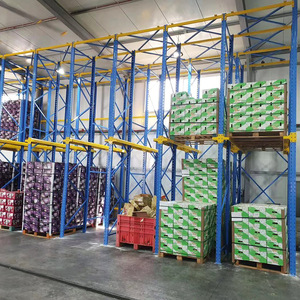
| Drive-In / Drive-Thru | Very High (75% - 85%) | Low (Per Lane) | LIFO (Drive-In) / FIFO | Up to 1,500 kg / pallet | Seasonal inventory, Uniform palletized stock |
| Gravity Pallet Flow | Maximum (80% - 90%) | Per Gravity Lane | Strict FIFO Rotation | Up to 1,500 kg / roller position | Perishables, Pharmaceuticals, Food & Beverage |
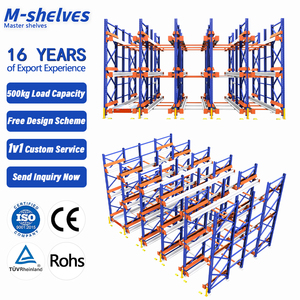
| Automated Radio Shuttle | Ultra High (85% - 95%) | Automated Lane Control | FIFO or LIFO Switchable | Up to 2,000 kg / shuttle unit | Deep Freeze (-30°C), Automated Distribution |
| Very Narrow Aisle (VNA) | High (65% - 75%) | 100% Direct Access | FIFO Flexible | Up to 4,500 kg / level | High-bay warehouses with limited footprint |
3. Enterprise Manufacturing Strengths & Quality Assurance Architecture
As a globally recognized industrial racking manufacturer established in 2006 in Nanjing, China, our manufacturing facilities embody the gold standard in heavy-duty structural steel production. Spanning a 40,000 square meter integrated industrial facility supported by over 300 experienced engineers and technical staff, our operational philosophy centers on zero-defect manufacturing and structural resilience.
Certified Structural Compliance
Strict adherence to European FEM 10.2.02 standards, American RMI guidelines, and ISO 9001/14001 quality management benchmarks backed by full TUV and CE certifications.
Full OEM/ODM Customization
Custom upright pitch profiles (75mm, 76.2mm, 50mm teardrop), specialized beam section dimensions, non-standard powder coat RAL color matching, and private labeling.
10-Year Structural Guarantee
All load-bearing upright frames and box beams undergo rigorous mechanical finite element analysis (FEA) testing and carry a comprehensive 10-year factory structural warranty.
4. Future Industrial Sourcing & Procurement Trends (2025–2030)
The industrial warehouse infrastructure market is undergoing a structural transition driven by automated warehousing, energy optimization in cold chain logistics, and green supply chain standards. Procurement managers must position their facility layouts to integrate seamlessly with next-generation material handling technologies:
A. Rapid Acceleration of 4-Way Radio Shuttle & Semi-Automated Racking
Traditional drive-in racking is increasingly giving way to 2-way and 4-way radio shuttle systems. By eliminating the necessity for forklifts to enter physical rack lanes, radio shuttle systems dramatically reduce frame damage risks while boosting pallet packing density by up to 35% compared to conventional layouts.
B. Cold Chain Optimization and Corrosion Protection Advances
With global demand for refrigerated storage spiking across pharmaceuticals and fresh food distribution, hot-dip galvanizing (HDG per ISO 1461) and specialized anti-microbial epoxy-polyester coatings have become standard procurement requirements. These advanced surface treatments prevent micro-fractures, rust proliferation, and structural degradation in sub-zero operational environments down to -30°C.
C. Seismic Design & Dynamic Load Calculation Integration
Modern global logistics guidelines mandate rigorous seismic risk mitigation. Modern standard pallet racking factories must utilize advanced FEA software to simulate dynamic ground acceleration, ensuring baseplate thickness, anchor bolt shear strength, and diagonal bracing frame geometry comply with regional seismic building codes (such as AS4084 in Australia or IBC/RMI in North America).
5. Technical Evaluation Guide for International Procurement Officers
When evaluating standard pallet racking factories and exporters in China, structural integrity and raw material traceability are paramount. Buyers should enforce a strict technical audit checklist prior to issuing purchase orders:
- Steel Tensile Yield Rating: Verify mill test certificates (MTC) ensuring upright steel exhibits a minimum yield strength of 235–355 MPa.
- Beam Welding Consistency: Ensure beam connector brackets are joined using automated continuous robotic CO2 shielded welding, eliminating manual porous weld defects.
- Pre-treatment & Powder Coating Thickness: Request a 9-stage acid-pickling and phosphating pre-treatment process with electrostatic powder coating depth averaging between 60 to 90 microns to prevent flaking.
- Deflection Limit Compliance: Confirm designed beam deflection ratio does not exceed L/200 under maximum rated static load capacity.
Expert Tip: Always require your supplier to provide 2D CAD layout drawings along with structural load capacity calculations certified by registered professional engineers. Our engineering department provides full CAD/3D project layout consultations within 24 hours of receiving site floorplans.
Need an Engineered Warehouse Racking Layout & Fast Quote?
Connect directly with our senior racking structural engineers. Request detailed product specifications, factory pricing, and free 2D/3D CAD layout planning today.