Industrial Cold Chain Racking Systems
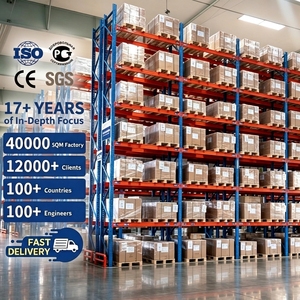
Engineered for extreme sub-zero resilience (-30°C to 0°C), thermal expansion mitigation, and optimized pallet volume density.
Engineering Cold Chain Structural Steel Systems
Technical benchmarks for designing high-bay pallet storage in extreme low-temperature environments
Operating a refrigerated or deep-freeze cold storage warehouse involves severe operational challenges. Refrigeration equipment consumes immense amounts of power, making thermal efficiency and volume optimization critical metrics for operational profitability. Building and maintaining sub-zero warehouse space can cost three to five times more than standard ambient logistics space. Consequently, warehouse operators, logistics planners, and engineering procurement heads must maximize the storage density per cubic meter while selecting structural racking materials certified to perform under extreme sub-zero stress without brittle structural failure.
1. Low-Temperature Metallurgy & Material Integrity
As a leading Chinese supplier and exporter of heavy-duty cold storage pallet racking systems, our engineering frameworks prioritize steel chemistry and yield stress performance. We predominantly utilize high-grade Q355B and Q420 structural steel, processed through cold-roll forming lines to achieve maximum strength-to-weight ratios.
- Charpy V-Notch Impact Resistance: Our cold-room structural components undergo rigorous Charpy impact testing at -20°C and -30°C to ensure the steel absorbs dynamic kinetic energy rather than fracturing when subjected to load placement or vehicle collision.
- Grain Structure Integrity: Through controlled addition of micro-alloying elements like Niobium (Nb) and Vanadium (V), the ferrite grain size is refined, preserving material ductility under sub-zero freezer stress.
- Anti-Corrosion Surface Finishing: Cold rooms frequently undergo temperature shifts during maintenance or thawing, leading to surface condensation and aggressive frosting. We apply heavy-duty Hot-Dip Galvanizing (HDG) conforming to ISO 1461 standards, or high-adhesion thermoplastic epoxy-polyester powder coatings cured at precise thermal curves to prevent moisture penetration and under-film rust propagation.
2. Cold Storage Racking System Structural Comparison
Selecting the right structural layout dictates your warehouse operating efficiency, SKU selectivity, and cooling energy ROI. Below is an engineering trade-off matrix comparing standard cold chain rack designs:
| Racking Type | Volume Density Efficiency | Pallet Selectivity | Sub-Zero Automation Level | Optimal Cold Chain Application |
|---|---|---|---|---|
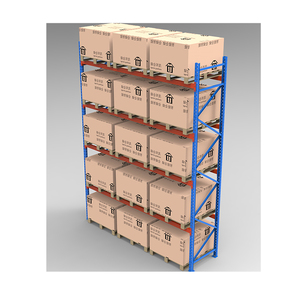
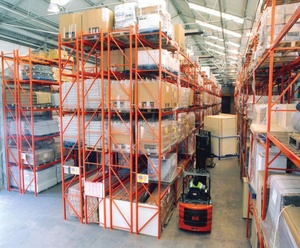
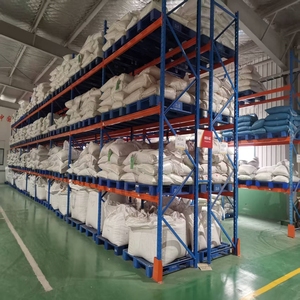
| Selective Pallet Rack | 40% - 50% | 100% (Direct Access) | Manual (Reach Truck) | High SKU diversity, short storage duration, fast turnover. |
| Double Deep Racking | 60% - 65% | 50% (Filtered) | Manual (Pantograph Reach) | Medium SKU count, balanced throughput vs density demand. |
| Drive-In Racking | 70% - 75% | Low (LIFO) | Manual (In-rack driving) | Massive batch volumes of identical frozen SKUs (e.g., meat, poultry). |
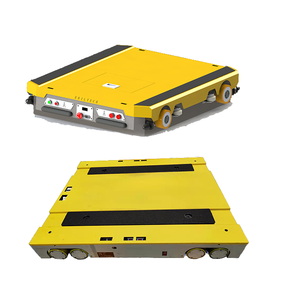
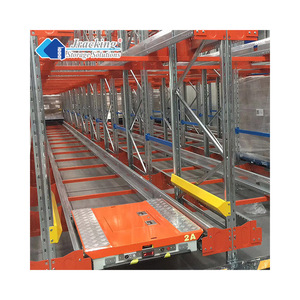
| Radio Shuttle System | 80% - 85% | High per Lane (FIFO/LIFO) | Semi-Automated (Shuttle) | Deep-lane high-density freezing; reduces forklift freezer exposure. |
| 4-Way Shuttle / ASRS | 85% - 92% | 100% Automated Access | Fully Automated (Robotic WCS) | 24/7 dark cold rooms; minimal energy loss and zero manual labor inside freezer. |
3. Structural Foundation & Dynamic Load Mitigation
Sub-zero cold storage facilities are constructed over specialized insulated floor slabs equipped with under-floor heating wires to prevent frost heave (ice expansion below the concrete). Securing heavy-duty industrial racking into insulated slabs requires advanced civil and mechanical engineering considerations:
- Thermal Expansion Joint Accommodation: Steel racks expand and contract differently than concrete when thermal cycles occur. Anchor bolts, upright baseplates, and row spacers are engineered with micro-expansion tolerance to absorb structural movement without shearing base fixings.
- Punching Shear Load Distribution: Because high-density cold storage racking systems exert massive point loads on the floor slab (often exceeding 10 to 15 tons per upright column), our design team custom-engineers enlarged baseplates with heavy-gauge floor shims. This spreads the point load across a broader area, preserving the structural integrity of the vapor barrier and insulation layer beneath the top wear slab.
Why Global Buyers Choose Remprack
Combining end-to-end manufacturing control, structural engineering, and rigorous international quality standards
40,000m² Manufacturing Power
Equipped with modern continuous cold-roll forming mills, robotic laser welding stations, and automated powder coating lines capable of processing over 50,000 tons of structural steel annually.
Certified Quality Compliance
Fully compliant with international engineering benchmarks including CE, ISO 9001 quality management, ISO 14001 environmental management, and TUV structural safety audits.
Custom OEM/ODM Engineering
We tailor profile thicknesses, beam connector configurations, seismic braces, and custom colors to match exact warehouse floor plans and international structural standards (FEM, RMI, AS4084).
Complete Sub-Zero Ecosystem
From static teardrop pallet racks to automated radio shuttles and 4-way ASRS high-bay structures, we deliver integrated, one-stop cold chain material handling solutions.
10-Year Structural Warranty
Every system comes backed by a 10-year product structural guarantee, giving project integrators and enterprise end-users complete long-term operational confidence.
Export Proven in 85+ Nations
Over two decades of international logistics experience ensures container loading optimization, anti-rust export packing, clear CAD structural assembly drawings, and seamless site support.
Future Trends in Cold Storage Procurement
Key technology evolutions driving sub-zero material handling investments over the next decade
1. The Rapid Shift Toward Sub-Zero Automated Storage (ASRS & Shuttles)
Rising labor costs and harsh sub-zero working environments are driving a global structural shift away from traditional forklift-operated cold storage toward semi-automated and fully automated robotic systems. Operating forklifts inside -25°C environments requires frequent driver rotations, protective thermal suits, specialized cold-store battery heating systems, and wider operating aisles to prevent catastrophic rack collisions. Modern cold store procurement strategies prioritize Radio Shuttle Racking and 4-Way Automated Pallet Shuttle Systems. By utilizing robotic vehicles inside deep rack channels, human operators remain outside the freezer environment while storage density increases by up to 80% within the exact same footprint.
2. Energy-Optimized Volume Density Ratios
Refrigeration electricity costs scale directly with total building volume rather than stored tonnage. Future-ready cold chain warehouses are abandoning low-height selective racking in favor of High-Bay Clad-Rack Systems (Rack-Supported Buildings) reaching up to 40 meters in height. In a clad-rack facility, the structural pallet racking itself acts as the load-bearing frame supporting the exterior roof and insulated sandwich panels. This minimizes unutilized dead space overhead, optimizes thermal convection currents, and drastically reduces kilowatt-hour energy consumption per pallet position stored.
3. Smart Sensor Integration & Structural Health Monitoring (IoT)
As cold storage automation reaches 24/7 operational cycles, unexpected structural maintenance can lead to costly operational downtime. Emerging procurement specifications increasingly demand integrated IoT sensors mounted directly on high-stress rack columns. Strain gauges and optical tilt sensors monitor real-time beam deflections, micro-cracks, and vibration signatures caused by vehicle contact or seismic shifts. This enables predictive maintenance strategies before structural failures occur.
Cold Storage Procurement FAQs
Expert guidance on technical parameters, structural design, and procurement planning
Optimize Your Cold Storage Storage Density Today
Consult with our senior structural storage engineers. We deliver full 2D/3D layout designs, technical structural calculations, and competitive factory-direct quotations within 24 hours.
Inquire Now