Featured Heavy-Duty & Automated Storage Solutions
Certified structural storage systems engineered for high-density, automated handling, and enhanced seismic resilience.
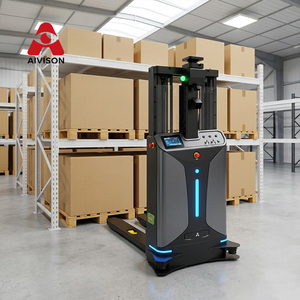
Hot Selling 1400kg Intelligent Fork AGV/AMR Automatic Forklift Pallet Handling Robot
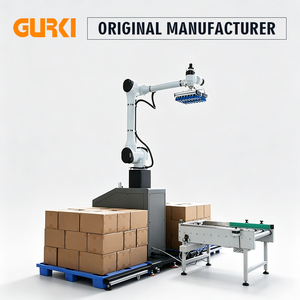
GURKI High Speed Full Automatic Robotic Palletizing Systems Carton Case Box Cobot Palletizer
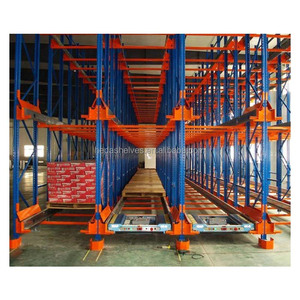
Auto Shuttle Racking System Innovative Pallet Racking Intensive Shuttle Racks Intelligent Cold Storage
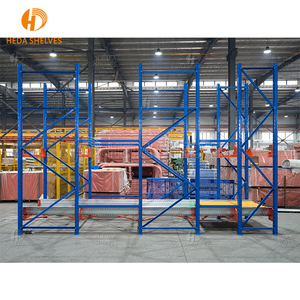
Warehouse Semi-automatic Racking System 4 Ways Direction Shuttle Car Remote Control Radio Shuttle Racking
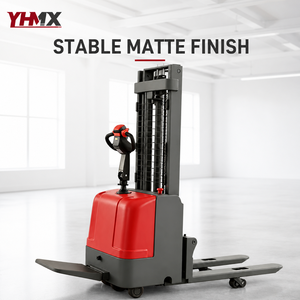
Self-Propelled 2T 3M Electric Forklift High Torque Warehouse Material Handling Equipment Walkie Pallet Mover
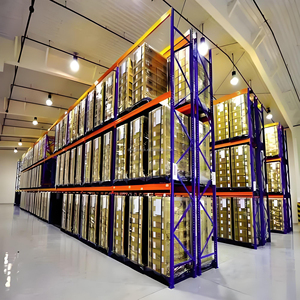
Space Saving Warehouse Storage Solution Forklift Entry System High Density Drive in Rack
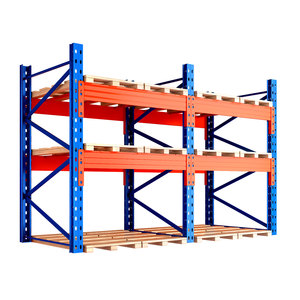
Heavy Duty Industrial Storage Shelves System Metal Rack Stacking Units Warehouse Steel Pallet Racking
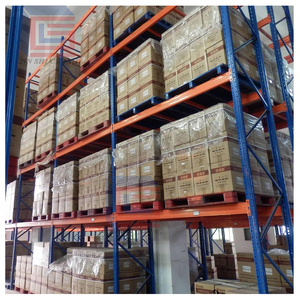
Industrial Heavy Duty Steel Pallet Rack Warehouse Shelving System for Storage & Distribution
Seismic Engineering Principles in Heavy-Duty Warehouse Pallet Racking
Understanding dynamic ground acceleration, structural sway parameters, and regulatory compliance for high-risk seismic zones.
In modern industrial logistics, warehouse racking systems are no longer treated as static furniture; they are high-performance, load-bearing steel structures subject to severe dynamic stress. When deployed in regions vulnerable to seismic activity (such as the Pacific Rim Ring of Fire, Southern Europe, parts of Latin America, and Western North America), standard rack designs risk catastrophic structural collapse during an earthquake event. Selecting a qualified Seismic Pallet Racking Manufacturer & Supplier requires a deep understanding of structural mechanics, seismic response spectra, dynamic stiffness, and anchor floor shear capacities.
Seismic events impart intense horizontal dynamic forces (shear forces) and vertical acceleration components on fully loaded rack structures. Unlike static building frames, industrial pallet racks operate under high mass-to-footprint ratios. Top-heavy loading conditions exacerbate P-Delta ($\text{P-}\Delta$) overturning moments. Engineering a seismic-resistant pallet rack system demands compliance with internationally recognized structural standards, including ANSI MH16.1 (Specification for the Design, Testing and Utilization of Industrial Steel Storage Racks), FEM 10.2.08 (Seismic Design of Static Steel Pallet Racking), EN 16681, and AS4084-2023 (Steel Storage Racking).
According to post-earthquake warehouse damage investigations, over 80% of rack failures in active seismic zones stem from insufficient baseplate anchor embedment, low beam-to-column connector moment rotation capacity, and unverified frame X-bracing shear distribution. Partnering with top-tier OEMs who utilize FEA (Finite Element Analysis) modeling and physical shake-table testing is essential to safeguarding inventory and human life.
Top 10 Technical Benchmarks for Evaluating Seismic Racking Suppliers
How leading structural manufacturers engineer earthquake resilience into heavy-duty storage configurations.
1. High-Ductility Steel Alloys
Top manufacturers utilize certified cold-formed structural steel grades (such as Q355B, Q460, or S355JR) engineered for superior elongation and yield strength. High ductility allows rack members to dissipate dynamic energy under seismic vibration without brittle fracture.
2. Heavy-Duty Baseplate Footprints
Seismic baseplates feature expanded surface areas, enlarged bolt-hole centers, and increased steel thickness (up to 12mm–16mm). This distributes tension and shear forces across concrete floor slabs, preventing local concrete cone breakout.
3. Moment-Resisting Beam Connectors
Patented 4-hook and 5-hook connector brackets increase connection stiffness ($K_b$) between step/box beams and upright columns. Higher rotational stiffness reduces rack sway during longitudinal shear acceleration.
4. Engineered Frame Bracing Geometry
Upright frame bracing designs transition from standard diagonal configurations to heavy-duty K-bracing or X-bracing patterns. This optimization minimizes horizontal deflection and structural strain across tall vertical bays.
5. Advanced Anchor Bolt Engineering
Seismic racking utilizes heavy-duty mechanical wedge anchors or chemical epoxy anchors tested for cracked concrete under dynamic fatigue loading, maintaining structural tie-down security under vertical acceleration components.
6. FEA Simulation & Shake Table Verification
Premier manufacturers submit full-scale racking assemblies to multi-axis shake table tests (simulating Richter scale 7.0+ wave motions) and cross-validate data using ANSYS or SAP2000 structural software.
Seismic Performance vs. Warehouse Racking System Architecture
Evaluating structural stability, space utilization, and seismic resilience across racking system types.
| Racking System Type | Seismic Resistance Rating | Primary Failure Mode in Earthquakes | Key Structural Reinforcements | Best Suited Application |
|---|---|---|---|---|
| Selective Pallet Racking | High (Flexibility-based) | Longitudinal sway & top-beam displacement | 5-hook moment connectors, thick baseplates | General FMCG, High-SKU Logistics |
| Radio Shuttle Racking | Very High (Block Rigidity) | Pallet movement inside deep lanes | Guide rail locking, portal top-bracing | Cold Storage, Food & Beverage |
| Drive-In Racking | Medium (Requires Top Portal Bracing) | Overturning due to lack of cross beams | Top-plane horizontal bracing, tie-beams | Homogeneous Bulk Staging |
| Push Back Racking | High (Nested Frame Stability) | Cart derailment during severe shake | Flanged safety rails, positive stop catches | Medium Density LIFO Storage |
| ASRS High-Bay Racking | Extremely High (Integrated Structure) | Stacker crane rail misalignment & column bucking | Precision ground anchors, micro-alloyed profiles | 24/7 Automated Warehouses |
Why Remprack Storage Solutions is Your Trusted Manufacturing Partner
Over 18 years of manufacturing excellence, global certification, and structural engineering expertise.
Founded in 2006 in Nanjing, China, Remprack Storage Solutions Co., Ltd. has grown into a world-class OEM & ODM manufacturer specializing in industrial warehouse racking systems. Operating from a state-of-the-art 40,000 m² production base equipped with automated cold roll-forming production lines, robotic welding stations, and continuous electrostatic powder-coating lines, Remprack provides structural solutions designed to meet the rigorous safety requirements of international buyers.
Our engineering team comprises senior structural engineers proficient in European (FEM/EN), American (RMI), and Australian (AS4084) design codes. Having successfully delivered more than 2,000 project installations across 85+ countries, Remprack combines localized structural compliance with global supply chain reliability.
Certified Quality System
Remprack operates under strictly audited quality systems including CE, ISO 9001, ISO 14001, and TUV certification. Material mill certificates (MTC) and factory load test reports are provided with every batch.
Custom Engineering & OEM/ODM
We provide bespoke structural design services tailored to your exact warehouse layout, concrete floor strength, pallet dimensions, forklift specifications, and local seismic zone parameters.
10-Year Product Warranty
We stand behind structural integrity. All Remprack pallet racking systems carry a comprehensive 10-year warranty when installed and operated according to our structural load guidelines.
Future Procurement Trends in Industrial Storage & Material Handling
Anticipating technological convergence, automation integration, and sustainable engineering in global procurement.
As supply chains face increasing pressures regarding floor space efficiency, labor scarcity, and environmental resilience, warehouse racking procurement is undergoing a massive transformation. Strategic procurement directors are moving beyond simple price-per-position metrics to evaluate Total Cost of Ownership (TCO), technological integration, and risk mitigation.
1. AGV/AMR & Shuttle Automation Synergy
The rapid adoption of Autonomous Mobile Robots (AMRs), Automated Guided Vehicles (AGVs), and 4-way pallet shuttles demands higher structural precision from racking frames. Millimetric tolerances in beam levelness and column verticality are now essential to prevent robotic picking jams.
2. Real-Time IoT Structural Monitoring
Next-generation seismic racking systems incorporate strain gauges, vibration sensors, and tilt indicators. These smart sensors stream structural health data to warehouse management software (WMS), alerting facility managers to impact damages or micro-deflections before structural failure occurs.
3. Low-Carbon Steel & Sustainable Coatings
Global enterprise buyers are prioritizing suppliers utilizing green steel manufactured via electric arc furnaces (EAF) and solvent-free, heavy-metal-free powder coatings, aligning storage infrastructure with corporate ESG targets.
Frequently Asked Purchasing & Engineering Questions (FAQ)
Expert answers to common technical, logistics, and compliance questions from enterprise buyers.
What technical data is required to calculate a seismic pallet racking layout?
How does a seismic racking system differ from standard selective pallet racking?
Which international safety standards do Remprack racking systems comply with?
Does Remprack offer OEM and ODM services for international distributors and integrators?
What is the typical warranty and expected service life of your heavy-duty steel racks?
How are racking components packed for overseas container shipping to prevent transit damage?
Request a Custom Seismic Structural Layout & Quotation
Partner with an experienced warehouse racking manufacturer. Contact our engineering team today for CAD drawings, load calculations, and competitive factory-direct pricing.