Heavy-Duty OEM Food Racking Systems Showcase
Engineered specifically for hygienic food processing centers, cold chain freezing vaults, and high-throughput automated logistics hubs.
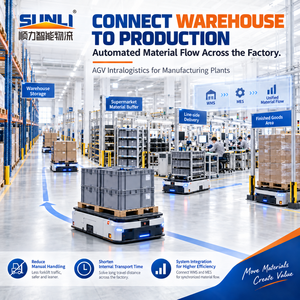
SUNLI Pallet AS/RS Smart Warehouse Automated Storage & Retrieval System With WMS/WCS Stacker Crane
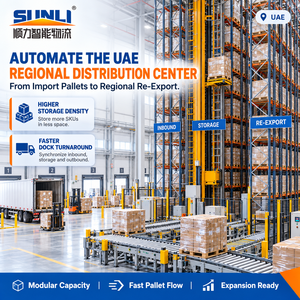
SHUNLI SL-AS004 Heavy Duty Automated AS&RS Pallet Stacking Rack Alloy Steel 500kg-1500kg Capacity OEM
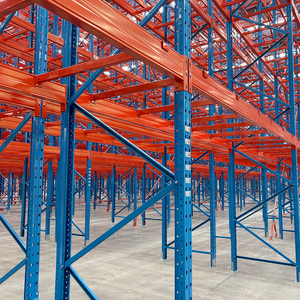
Jracking Modular Design Warehouse Storage CE Certified Heavy Duty Pallet Racking System for Cold Room
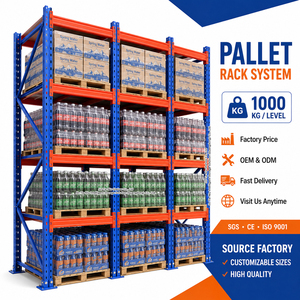
Heavy Duty Pallet Rack System for Beverage Storage Food Warehouse & Pallet Goods Industrial Racking
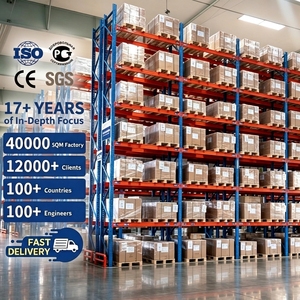
High Capacity Cold Room Pallet Racking System Anti-Rust Cold Chain Racks for Frozen Food Storage
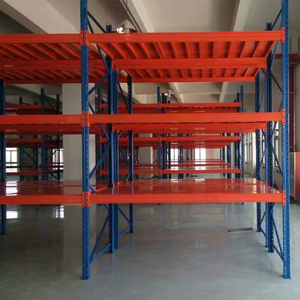
Sliding Guide Sequential Outbound Steel Rack Heavy Duty 4000kg Seismic Food Raw Material Warehouse Rack
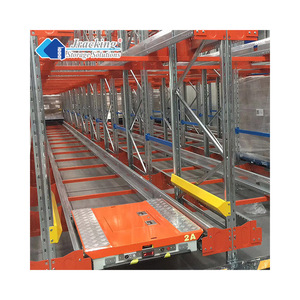
Jracking CE Certified Modular Four-Way Shuttle Rack System for Food Logistics Center Use
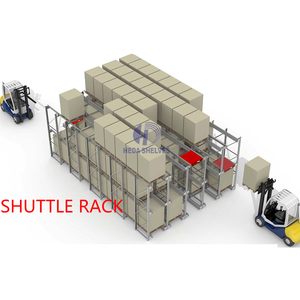
Heda Shelves High-Density Four Way Shuttle Rack Intelligent Pallet Rack System for Food & Beverage
Custom OEM Food Storage Pallet Racking: Technical Engineering & Manufacturing Whitepaper
An authoritative guide for logistics directors, procurement heads, and structural engineers on optimizing food-grade storage infrastructure.
Sanitary & Hygienic Metallurgy
Eliminating dust-trapping crevices, employing anti-microbial epoxy powder coatings, and utilizing hot-dip galvanization (HDG) to resist aggressive organic acids and moisture washdowns.
Sub-Zero Structural Dynamics
Engineered cold-rolled high-tensile Q235B/Q355B steel tailored to withstand thermal stress down to -30°C without suffering steel embrittlement or structural fatigue.
Volumetric Cube Optimization
Maximizing pallet density per cubic meter in high-cost refrigerated facilities through radio shuttle, push-back, pallet flow, and 4-way automated shuttle configurations.
Engineering Imperatives in Food Storage Architecture
Future Procurement Trends in Food & Beverage Storage (2026–2030)
How evolving logistics economics and automation technologies are reshaping enterprise rack purchasing strategies.
1. Transition to Smart Automated Dense Storage
Rising energy tariffs globally mean that refrigerated warehouse space is extremely costly to cool. Traditional selective pallet racking (which leaves 50-60% of floor space open for forklift aisles) is rapidly being replaced by 4-Way Automated Radio Shuttle Systems and AS/RS stacker cranes. Procurement managers are prioritizing OEM manufacturers capable of producing high-precision rail profiles (+/- 1.5mm tolerance over 50 meters) to host self-navigating robotics.
2. Strict Traceability & FIFO Rotation Mandates
With global food safety regulations demanding immediate batch recall capabilities, First-In, First-Out (FIFO) dynamic storage systems—such as gravity pallet flow racks equipped with internal speed controller brakes—are seeing surging demand. Automated integration between racking sensors and enterprise WMS (Warehouse Management Systems) ensures zero stock expiration loss.
3. Zero-VOC Anti-Bacterial & Hot-Dip Galvanized Finishes
Environmental regulations are phasing out solvent-heavy paint finishes. Future procurement contracts explicitly demand non-toxic, food-safe electrostatic powder coatings certified under REACH and RoHS. For harsh environments (salt-cured meats, marine food processing), hot-dip galvanizing per ISO 1461 provides a permanent zinc alloy shield that prevents rust formation even under daily high-pressure chemical washdowns.
4. Modular OEM Customization & Agile Supply Chains
B2B buyers are moving away from stock standard rack sizes toward direct-to-factory OEM partnerships. Custom upright pitch adjustments (e.g., 50mm, 75mm, 76.2mm teardrop pitch), custom beam profile depths, and tailor-made rack colors allow fast expansion and brand uniformity across global multi-facility rollouts.
System Selection Matrix for Food & Beverage Applications
Technical comparison of primary industrial pallet racking structural types engineered for food processing and logistics.
| Racking Type | Storage Density | Stock Rotation | Ideal Food Application | Cold Room Compatibility | OEM Customization Options |
|---|---|---|---|---|---|
| Selective Pallet Racking | Standard (40-50%) | 100% Selectivity (FIFO) | Mixed SKU Groceries, Distribution Hubs | Good (Ambient to -10°C) | Custom heights up to 15m, Wire Decks, Drop-in Step Beams |
| Radio Shuttle Racking | Very High (80-90%) | FIFO or LIFO | Frozen Meat, Seafood, Ice Cream, Bulk Dairy | Excellent (-30°C Deep Freeze) | Custom shuttle rail profiles, WMS integration sensors |
| Pallet Flow (Gravity) | High (70-80%) | Strict FIFO | Perishable Produce, Dairy, Short Shelf-Life Goods | Excellent (Prevents frosting build-up) | Speed controller spacing, entry guides, impact separators |
| Push-Back Racking | High (65-75%) | LIFO (2 to 6 Pallets Deep) | Beverage Bottling Plants, Canned Foods | Very Good | Nested cart roller bearings, anti-drop safety stops |
| Automated AS/RS Racking | Maximum (85-95%) | Automated Programmed | High-Bay Central Food Distribution Depots | Superior (Full Automation) | Ultra-tight structural tolerance, guide rail assemblies |
Food Storage Pallet Racking Procurement FAQ
Direct answers to technical, regulatory, and logistics queries raised by enterprise procurement officers.
Why Global Enterprise Buyers Partner With Remprack
Over two decades of precision manufacturing excellence based in Nanjing, China.
Full In-House Manufacturing
From high-precision continuous roll-forming mills to robotic welding stations and automated continuous powder-coating lines, we control 100% of the manufacturing chain to guarantee zero defect delivery.
Rigorous QC & SGS/TUV Testing
Raw material steel heat numbers are tracked, and finished components undergo yield strength, weld penetration, powder adhesion (cross-hatch testing), and salt spray corrosion testing in our factory lab.
Global Project Logistics Support
Exporting to 85+ nations requires smart container packaging. We utilize custom wooden pallets, steel strapping, and protective plastic wrap to ensure components arrive ready for fast installation without transit damage.
Plan Your OEM Food Storage Project With Our Senior Engineers
Receive a comprehensive CAD warehouse storage layout, structural loading calculations, and a direct factory quotation within 24 hours.