High-Density Storage Racking for Sub-Zero Environments
Engineered with Q355E low-temperature high-tensile steel, hot-dip galvanization, and anti-frost structural tolerances. Explore our top-tier industrial pallet racking solutions manufactured directly in Nanjing, China.
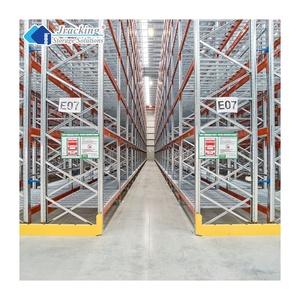
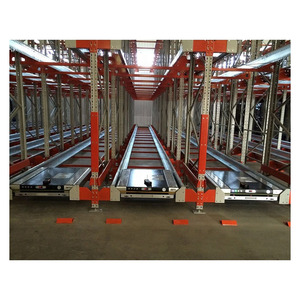
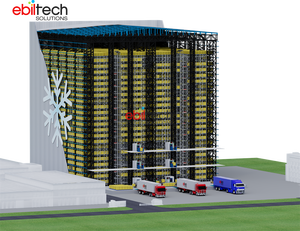
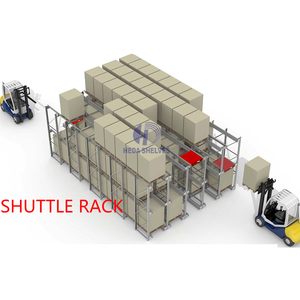
Structural Metallurgy & Thermal Dynamics of Sub-Zero Cold Storage Racking
Designing pallet racking systems for sub-zero environments (-18°C to -30°C) presents severe mechanical and metallurgical challenges that standard ambient warehouse racks cannot withstand.
1. Steel Ductile-to-Brittle Transition Temperature (DBTT)
Standard structural carbon steel (like Q235B or SS400) undergoes embrittlement when exposed to continuous sub-zero temperatures. Low ambient energy causes steel atom lattice structures to lock, significantly reducing impact toughness and dynamic loading resistance under forklift operation.
China's top cold chain pallet racking manufacturers utilize high-tensile micro-alloyed steel grades such as Q355E, Q235D, or EN 10025 S355JR/J2. These specialized steel alloys undergo standardized Charpy V-Notch impact testing at -20°C to -40°C, guaranteeing impact absorption values exceeding 27 Joules. This metallurgical precision prevents catastrophic frame shearing caused by accidental pallet impacts.
- Q235D Grade: Rated for stable cold storage down to -20°C.
- Q355E Low-Temp Steel: Specialized for severe blast freezers (-30°C to -40°C).
- Zero-Embrittlement Anchor Bolts: Cold-forged high-grade tensile fasteners.
Cold Store Volumetric Energy Economics
Operating cold storage facilities costs up to 5 to 7 times more per cubic meter than ambient warehousing due to continuous refrigeration power consumption.
Maximizing pallet density per cubic meter directly lowers energy consumption per stored pallet unit. High-density racking structures (Shuttle, Mobile, VNA) yield up to 85% footprint utilization, effectively reducing facility HVAC footprint by up to 40%.
2. Surface Protection & Corrosion Resistance
Condensation occurs rapidly during maintenance defrost cycles or when doors cycle open. Advanced protection involves Hot-Dip Galvanizing (HDG) to ISO 1461 standards with a minimum zinc coating thickness of 65-85 microns, providing self-healing sacrificial galvanic protection against rust.
3. Thermal Micro-Expansion & Contraction
Steel shrinks under low temperatures at a coefficient of approximately 12 × 10⁻⁶ /°C. A 100-meter-long continuous rack run experiences up to 36mm of contraction when pulled down from ambient 20°C to -30°C. Engineering beam connector locks with expansion micro-tolerances is crucial to prevent structural warping.
4. Frost Heave & Foundation Anchoring
Sub-floor freezing under slab insulation can lead to frost heave, causing uneven floor displacement. Racking frame baseplates must integrate shim packs with high-yield thermal isolation pads and specialized epoxy chemical anchors designed for cured sub-zero concrete floors.
Sub-Zero Cold Chain Pallet Racking System Comparison
Evaluate density, stock rotation dynamics, automation capability, and ROI profiles to select the optimum storage architecture for your cold distribution center.
| Racking Architecture | Storage Density | Stock Rotation | Oper. Temp Range | Forklift Utilization | Energy Savings vs Selective |
|---|---|---|---|---|---|
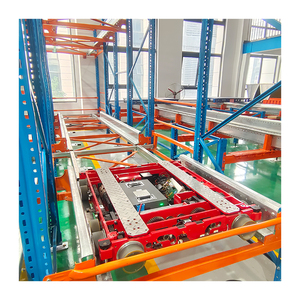
| Four-Way Radio Shuttle System | Very High (85%+) | FIFO / LIFO (Flexible) | -25°C to +45°C | Very Low (Lane Face Only) | 45% - 60% |
| Motorized Mobile Pallet Racking | Ultra High (85-90%) | 100% Selective (1 Aisle) | -30°C to +40°C | Standard Reach Truck | 35% - 50% |
| Automated AS/RS Crane System | Maximum (90%+) | Full WMS Automated FIFO | -30°C to +40°C | Zero (Unmanned Dark Store) | 50% - 70% |
| Drive-In / Drive-Thru Racking | High (65-75%) | Strict LIFO (Drive-In) | -20°C to +40°C | High Risk (Enters Rack) | 20% - 30% |
| Gravity Pallet Flow Racking | High (70-80%) | Strict FIFO (Gravity Rollers) | -25°C to +40°C | Loading / Unloading Ends | 25% - 35% |
| VNA Very Narrow Aisle Racking | Medium-High (60-70%) | 100% Selective | -25°C to +40°C | Specialized VNA Turret Truck | 15% - 25% |
Future Procurement Trends in Cold Chain Storage Engineering
Global supply chain volatility, decarbonization mandates, and labor shortages in sub-zero environments are driving unprecedented transformations in cold storage design.
Trend 1: Accelerated Shift to "Dark Sub-Zero Warehouses"
Working in -25°C environments poses severe occupational safety hazards and high labor turnover rates. Global buyers are rapidly shifting from manual forklift racks to Four-Way Shuttle AS/RS Clad Building Systems.
By eliminating human intervention inside frozen rooms, operational efficiency increases while lighting and thermal dissipation from workers are minimized, yielding drastic reduction in utility overheads.
Trend 2: Sub-Zero Lithium Titanate (LTO) Power Cells
Traditional lead-acid batteries lose up to 50% capacity in freezing conditions and require lengthy ambient charging rooms. Future shuttle racking systems exported from China integrate ultra-fast charging Lithium Titanate (LTO) or specialized Iron Phosphate (LiFePO4) battery packs with internal heating jackets.
These shuttles charge within 20 minutes directly inside the -25°C rack lanes, operating 24/7 uninterrupted.
Trend 3: Dynamic Multi-Temperature Modular Systems
Modern third-party cold logistics (3PL) providers demand flexible racking systems capable of converting between ambient (+15°C), chilled (+2°C to +8°C), and frozen (-20°C to -30°C) zones without disassembling upright frames.
Standardized beam punch profiles combined with modular deck panels enable rapid reconfiguration as client SKU demands change seasonally.
Trend 4: IoT Structural Health Sensors & Real-Time Monitoring
Thermal contraction, accidental forklift impacts, and overload stresses present serious continuous risks. Next-generation cold chain racking integrates wireless strain gauges, inclination sensors, and temperature sensors embedded into critical column bases.
Operators receive instant real-time alerts via WMS/PLC dashboards before micro-fractures develop into structural failures.
China's Premier Cold Chain Racking OEM/ODM Manufacturing Powerhouse
Remprack Storage Solutions Co., Ltd. (Nanjing, China) combines over 20 years of precision racking engineering with advanced automated manufacturing capabilities.
20+ Years Expertise (Est. 2006)
Over two decades dedicated exclusively to heavy-duty industrial pallet racking, cantilever systems, radio shuttle racks, and steel platform platforms for international markets.
40,000 m² Advanced Production Base
Equipped with 24 automated continuous roll-forming lines, robotic welding stations, automatic steel coil slitting, and continuous electrostatic powder coating lines.
Certified Quality & International Compliance
Certified strictly under CE, ISO 9001, ISO 14001, and TUV Rheinland. Engineering designs strictly conform to EN 15512, FEM 10.2.02, RMI, and AS4084-2012 codes.
Proven Global Footprint (85+ Countries)
Delivered over 2,000 successful projects across Europe, North America, South America, Australia, the Middle East, and Southeast Asia. Experienced with international freight packing.
10-Year Comprehensive Structural Guarantee
We back our low-temperature structural cold chain racking with a full 10-year warranty, supported by raw material mill test certificates (MTC) for every batch shipped.
Full OEM / ODM & Free Layout Design
Our 30+ experienced structural engineering team delivers custom 2D/3D CAD layouts, structural safety calculations, and finite element analysis (FEA) free of charge.
Cold Storage Pallet Racking Procurement FAQ
Technical answers to common engineering, procurement, and logistical questions from global buyers and cold storage facility developers.
Why can't I use standard ambient pallet racking inside a -25°C cold room?
Standard ambient pallet racking is typically manufactured using commercial-grade carbon steel (such as Q235B) and standard epoxy powder coatings. At -25°C, standard steel undergoes ductile-to-brittle transition, making it brittle and vulnerable to cracking upon impact. Furthermore, standard paint finishes micro-crack under thermal stress, allowing moisture to penetrate beneath the paint layer and corrode the steel frame hidden from view. Cold storage requires certified low-temperature steel (Q355E/Q235D) and hot-dip galvanizing or cold-rated hybrid powder coatings.
How does Remprack calculate rack structural tolerances for earthquake-prone cold stores?
Our structural engineering team uses dynamic finite element analysis (FEA) software to simulate seismic acceleration (PGA values) combined with thermal contraction stresses and maximum pallet payload weight. We design frame bracing profiles, thicker footplates, and heavy-duty expansion anchor arrays compliant with local seismic codes including US RMI/IBC, European Eurocode 3 (EN 1993), and Australian AS4084 standards.
What surface finish is better for cold storage: Hot-Dip Galvanized or Powder Coating?
For high-humidity chilled environments (+2°C to +8°C) or rooms undergoing frequent defrosting cycles, Hot-Dip Galvanizing (HDG) is superior due to its sacrificial zinc layer (ISO 1461, 65-85μm thickness) providing complete inner-tube protection. For dry, constant frozen rooms (-20°C to -30°C) with controlled low relative humidity, specialized low-temperature polyurethane/epoxy powder coating is highly cost-effective and provides smooth surface hygiene.
What data do I need to provide to receive an accurate custom quote and 3D CAD layout?
To prepare an optimized structural layout and exact pricing, please provide: (1) Warehouse building CAD drawing showing clear height under sprinklers/coolers and column grid. (2) Pallet dimensions (W × D × H including cargo overhang). (3) Maximum load weight per pallet (kg). (4) Desired room operating temperature (°C). (5) Forklift model, turning radius, and maximum lift height. (6) Target throughput volume (pallets per hour).
How do Radio Shuttle systems perform in sub-zero freezer facilities?
Remprack's sub-zero radio shuttles are specifically engineered with internal thermal insulation jackets,IP65 moisture-sealed electronics, low-temperature lubricants, and specialized cold-temperature sensor optics. Powered by low-temperature Lithium Titanate (LTO) battery cells, our shuttles operate seamlessly down to -25°C without condensation failure or rapid power drop-off.
What is your lead time for export manufacturing and shipping container optimization?
Standard manufacturing lead time is 20 to 30 days upon drawing approval and deposit receipt. Our export packing department utilizes custom steel banding, protective corner wraps, and specialized timber cradles to maximize 40ft High Cube (40HQ) container loading capacity, ensuring zero damage during oceanic transport.
Optimize Your Cold Chain Storage Footprint Today
Ready to upgrade your sub-zero warehouse density, lower refrigeration energy costs, and source directly from China's leading certified racking manufacturer? Contact our structural engineering team for a free CAD layout and competitive factory quote.
Send an Inquiry