0%

Choosing Deep Lane Pallet Racking in 2026 is not simply a question of storage density. It also depends on pallet consistency, product turnover, forklift access, and how reliably each lane can be replenished. A warehouse handling uniform cartons may benefit from deeper storage, while mixed products can make retrieval more complicated. Small details matter. A pallet that varies slightly in width or condition may affect how smoothly it moves through a lane. Capacity figures alone are not enough.

This guide explains how to assess storage needs, compare rack layouts, and identify operational trade-offs before selecting a system. It considers drive-in and push-back configurations, inventory rotation, aisle requirements, and the equipment needed for safe, repeatable handling. Before committing, check actual pallet dimensions, load weights, ceiling height, floor conditions, and expected throughput. Confirm proposed capacities and installation details with a qualified rack supplier or structural professional; assumptions should not replace site-specific review. A drawing can look efficient while leaving too little room for daily movements. That is worth questioning.

There is no universal layout that suits every warehouse. The right choice should fit the inventory and work practices, not just maximize pallet positions. The answer may be less tidy than a simple capacity calculation, and that is useful to recognize. A careful assessment can reveal when deep lanes improve space use—and when easier access or a different storage method matters more.
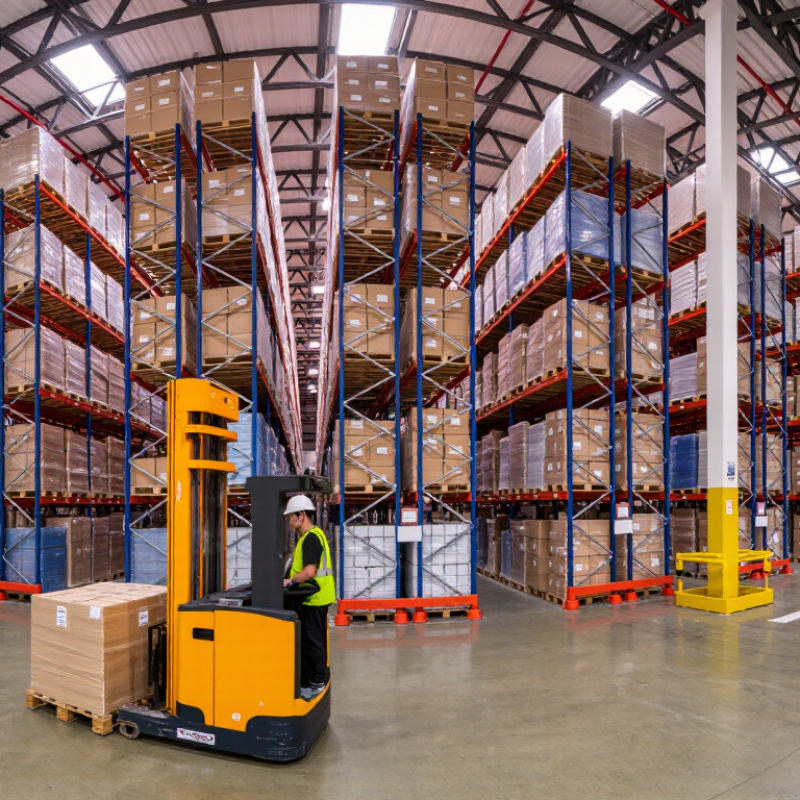
How to Choose Deep Lane Pallet Racking in 2026?

Understanding Deep Lane Pallet Racking and How It Works

How to Choose Deep Lane Pallet Racking in 2026?

Understanding Deep Lane Pallet Racking and How It Works

Deep lane pallet racking places pallets several positions deep within each storage lane. This uses warehouse floor space efficiently, especially when many pallets hold the same product. Unlike selective racking, workers cannot reach every pallet directly from the aisle. A forklift enters the lane to place or retrieve loads on supporting rails. Small details matter. Drive-in systems usually operate on a last-in, first-out basis. Drive-through layouts can allow first-in, first-out access when both ends remain available. The actual flow depends on the design and daily handling process.

There is a catch. Pallets need consistent dimensions and sound construction to travel safely along the rails. A damaged pallet or uneven load can interrupt access to deeper positions. Before choosing lane depth, check pallet measurements, load weights, forklift turning space, and operator visibility. Ask a qualified rack designer to review the layout, floor conditions, and relevant fire protection requirements. More storage density may also mean slower access to individual loads. That trade-off is easy to underestimate on a drawing. In practice, matching the rack to real inventory patterns matters more than simply fitting the greatest number of pallets.

Assessing Inventory, Pallet Types, and Storage Requirements

Deep lane pallet racking suits products stored in quantity, but the inventory pattern should guide the design. Review SKU counts, average stock levels, and how often each item moves. A lane holding one product can save aisle space; mixed products may create awkward retrieval. Measure every load. Include pallet dimensions, loaded weight, and any overhang, rather than relying on nominal pallet sizes.

Pallet condition matters too. A bowed deck or uneven load can affect safe movement into a deep lane. Record the actual variation across incoming pallets. That detail is easy to overlook. Decide how stock should flow: drive-in layouts typically support last-in, first-out access, while drive-through layouts can allow first-in, first-out movement. Match lane depth to the number of pallets per SKU, not to a hoped-for future volume. Check forklift compatibility, operating clearances, and rack load ratings with a qualified designer. Leave enough space for turning and inspection. Even a tidy inventory spreadsheet may miss seasonal peaks, so test the proposed layout against busy periods and real pick routines.

Matching Rack Design to Warehouse Layout and Equipment

How to Choose Deep Lane Pallet Racking in 2026?

Matching Rack Design to Warehouse Layout and Equipment

Deep-lane racking can increase pallet density, but the right design depends on the building and the equipment moving through it. Measure clear height, column positions, sprinkler clearances, and floor capacity before setting lane depth. Then map aisle widths against the actual forklift turning radius—not just the manufacturer’s specification sheet. A few centimeters matter.

MHI’s 2024 Annual Industry Report found that 55% of surveyed organizations planned to invest more than $1 million in supply-chain innovation. That investment makes equipment compatibility worth checking early. Drive-in lanes suit facilities storing larger quantities of fewer SKUs, while pallet-flow lanes can support first-in, first-out rotation. Deep-reach trucks may need less aisle space than counterbalance forklifts, but they also require suitable loads and clear operating space. Test the planned truck with a loaded pallet in a full-scale mock-up. Drawings can miss awkward corners.

Check travel paths from receiving to storage and dispatch, including pedestrian crossings and staging areas. A dense rack layout can reduce access if replenishment traffic shares narrow aisles. Confirm rack capacities, pallet dimensions, and load stability with a qualified rack designer. The best layout is not always the one holding the most pallets. That trade-off deserves a second look.

Evaluating Safety, Capacity, and Operational Trade-Offs

How to Choose Deep Lane Pallet Racking in 2026?

Evaluating Safety, Capacity, and Operational Trade-Offs

Deep lane pallet racking can increase storage density by placing pallets several positions deep. It works best when many pallets share the same product type and turnover is predictable. Before choosing a system, map pallet dimensions, load weights, and daily retrieval patterns. A layout that looks efficient on a drawing may create long waits when operators need a pallet buried behind others.

Safety depends on more than the rack’s rated capacity. Confirm that the floor can support the planned loads, and check clearances for forklifts and pallet movement. Ask a qualified designer to assess beam levels, impact protection, and the site’s seismic conditions. Train operators on the specific loading method, then inspect uprights and rails for dents or loosened connections. Small damage matters.

Tips: Test the proposed layout with real order data. Include peak-season volumes, not just an average week. Keep heavier pallets within the system’s approved limits, and make inspection responsibilities clear. If products vary often, consider whether deeper storage will increase handling time or picking errors. This trade-off is easy to underestimate.

Deep lane systems may use drive-in or shuttle-assisted operation, and each changes access, equipment needs, and maintenance routines. Compare the cost of specialized equipment with the labor and space saved. Leave room for repairs and safe access; a tightly packed plan can be difficult to service. Revisit assumptions after a trial period. Real operations rarely match the spreadsheet perfectly.

Comparing Costs, Suppliers, and Long-Term Flexibility

Deep lane pallet racking can raise pallet density, but the lowest quote may hide costly limits. Compare installed cost per usable pallet position, including frames, rails, guards, floor work, installation, and future changes. Ask each supplier for a layout based on your actual pallet dimensions, load weights, forklift clearances, and stock rotation. MHI’s 2024 Annual Industry Report found that 55% of surveyed organizations planned to increase supply-chain technology investment over the following two years. That is not a rack-price benchmark, but it signals why manual handling and system compatibility deserve attention.

Supplier quality shows in the details. Request load calculations, clear drawings, component specifications, inspection guidance, and a written account of what is excluded. Check lead times and replacement-part availability; a damaged rail should not strand a lane for weeks. Not just steel. Compare warranties carefully, since coverage may differ for labor, finish, and accidental damage. For flexibility, test the proposed design against likely changes: new pallet sizes, mixed-SKU storage, or a shift toward selective access. Deep lanes work best when many pallets share a SKU and turnover is predictable. That assumption can fail. A practical comparison should price one realistic future reconfiguration, not just today’s layout, and note which components can be reused.

How to Choose Deep Lane Pallet Racking in 2026?

Compare storage depth and lane access before weighing supplier quotes and long-term flexibility.

How to read this chart: Deep-lane systems are shown in a four-pallet-deep example; selective rack is one pallet deep. Access ends refer to the lane’s loading and retrieval ends. These are configuration characteristics, not universal capacity figures or supplier price data.

Selection tip: Selective rack provides direct access to each pallet. Drive-in and push-back systems are typically LIFO, while pallet-flow systems can support FIFO. Compare installed quotes for the same pallet, load, and operating requirements, and check whether the layout can adapt to future inventory changes.

FAQS

What products suit deep lane pallet racking?

It suits products stored in large quantities with predictable turnover. Many pallets should share one product type. Mixed stock can slow retrieval.

What measurements should be checked before planning?

Measure pallet length, width, loaded weight, and any overhang. Check actual pallet variation, too. A bowed deck matters.

How does lane depth affect stock access?

Deeper lanes save aisle space but can make buried pallets harder to reach. Match depth to actual pallets per product, not hoped-for growth.

What is the difference between drive-in and drive-through layouts?

Drive-in layouts typically support last-in, first-out access. Drive-through layouts can allow first-in, first-out movement. Confirm the flow fits daily orders.

What safety checks should be completed?

Check floor capacity, rack load ratings, forklift clearances, and turning space. A qualified designer should assess the layout and site conditions. Small dents matter.

How can a layout be tested before installation?

Test it with real order data and peak-season volumes. Include busy pick routines. An average week may hide the problem.

What equipment and maintenance needs should be considered?

Some systems use specialized equipment, such as shuttle-assisted operation. Compare its cost with saved labor and space. Repairs need room, too.

What can go wrong with a tightly packed design?

Operators may wait longer for buried pallets, and picking errors may increase. Inspections and repairs can become awkward. The spreadsheet may be wrong.

Conclusion

Choosing Deep Lane Pallet Racking in 2026 starts with understanding how the system stores multiple pallets deep and how that arrangement affects access to inventory. Consider the types and sizes of pallets you use, how consistently products move, and whether stock is managed on a first-in, last-out basis. High-volume goods with predictable turnover may suit deep-lane storage, while varied inventory or frequent access needs may call for a different configuration.

Next, match the rack design to your warehouse layout, handling equipment, and available aisle space. Review load capacity, operating clearances, safety requirements, and the trade-offs between storage density and selectivity. Compare installation and operating costs alongside supplier support, maintenance needs, and options for adapting the system as inventory or workflows change. A careful assessment of these factors can help you choose a practical solution that makes efficient use of space without compromising day-to-day operations.

Clara

Clara

Clara is a dedicated marketing professional with a deep understanding of the company’s products, services, and customer-focused approach. Through her work, she translates complex product features into clear, practical insights that help readers make informed decisions and recognize meaningful......